Get Full Government Meeting Transcripts, Videos, & Alerts Forever!
Get email alerts on the Code Enforcement topic
No spam. Unsubscribe anytime.
Bear Lake residents press county to address dozens of vacant, dilapidated properties and health concerns
Summary
Residents from the Bear Lake area urged Noble County to act on clusters of vacant and derelict properties they say attract wildlife, create mold and pest hazards, and depress neighborhood values; staff advised starting enforcement with specific addresses submitted to the building department.
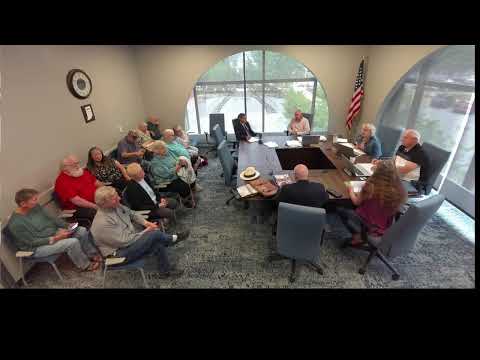
A batch of Bear Lake residents used the public-comment segment of the Noble County commissioners meeting to press for action on vacant, dilapidated or hoarded properties they say are causing health and safety problems in their neighborhood.
"We have several properties around our neighborhood that need condemned," said Annette Shaw, who told the board she had spent $600 hiring wildlife control to remove raccoons and said some houses are attracting large numbers of animals. Several speakers described mold, hoarding, standing water and trash that they say have made homes uninhabitable and created public-health risks. "There's mildew and mold in these homes. We have people here that are on oxygen that live next door to people that have careless of these properties," one resident said.
Greg Perigo, who described himself as a nearby property owner, said neighbors had repeatedly tried informal remedies and petitioned the county previously. "We just wanted this today to get the ball rolling and see exactly where we need to go and what our next step is," Perigo told the board. Tim Bretts and others recounted houses with structural failure and hoarders'interior conditions that prevented safe entry.
County staff and commissioners acknowledged the problem and described the standard enforcement path: residents should compile specific addresses and submit them to the building department (Mike, the county lister, and the building inspector were named as staff contacts). Staff said enforcement can proceed under the building code (condemnation/uninhabitable structures), trash/junk ordinances, or health-department interventions when mold or infestations create public-health hazards. "There's a process to get things accomplished," staff told the group, urging residents to begin by providing address lists so the building department can inspect and, if necessary, issue notices and follow due process.
Residents said many problem properties remain taxed or held in trusts, complicating quick enforcement. Commissioners urged staff to accept the address lists and initiate standard procedures; staff committed to reviewing the submitted addresses and following enforcement steps. No immediate condemnations were ordered at the meeting; staff said formal notices and due-process steps typically follow inspections and certified notices if owners do not act.