Get Full Government Meeting Transcripts, Videos, & Alerts Forever!
Get email alerts on the Property Tax Policy topic
No spam. Unsubscribe anytime.
Lake Ridge New Tech Schools warned property-tax changes could push district toward negative cash
Summary
A Policy Analytics presentation told the Lake Ridge New Tech Schools board that Indiana’s recent property-tax changes (Senate Enrolled Act 1) and new homeowner credits will reduce net assessed value, raise circuit-breaker losses and may force steep spending cuts or a revenue referendum as soon as 2026–2027.
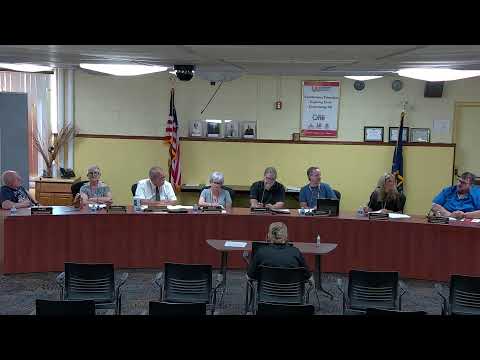
April Fling of Policy Analytics told the Lake Ridge New Tech Schools board on July 28 that recent changes to Indiana property-tax law will reduce the district’s taxable base and could create a multiyear revenue shortfall that may force deep spending cuts or a referendum.
Fling — introduced to the board as a Policy Analytics consultant — said the package of changes includes phasing out the standard $48,000 homestead deduction through 2031, increasing a supplemental homestead deduction so homes will be taxed at roughly one-third of value by 2031, and creating a new local property-tax credit equal to 10% of tax liability or a maximum of $300 per homeowner. She warned the combined effect will lower net assessed value and increase circuit-breaker-style revenue losses that come directly off the district’s levy.
Why it matters: the district’s revenue is based on net assessed value. Fling said the law also raises the business personal-property exemption from $80,000 to $2 million and allows equipment purchased in 2025 and after to depreciate to zero for tax purposes; property purchased before 2025 will have a 30% value floor. Those changes could remove substantial commercial value from local tax rolls beginning in 2027, she said.
The presenter gave several concrete figures: the county’s property-tax replacement credit (PTRC) was described as “just over $159 million” in the presenter’s briefing; Policy Analytics projected roughly $63,400 could hit the district’s debt-service fund under current statutory language, requiring cash-balance support, and said a later legislative correction could shift more of the loss to operations (a modeled operations hit of just under $140,000 in a 2027 scenario was presented). Using local data, a median Gary Corm Township homestead value of $93,000 was cited as an example and the firm noted many homesteads in the district are already at tax caps, limiting homeowner exposure.
Fling emphasized there is uncertainty in the projections — market-driven assessed-value growth, future legislative fixes and changes in business behavior (for example, firms replacing equipment to exploit new exemptions) could alter outcomes — but the multi-year implementation means the district should assume revenue impacts will persist through 2031 unless law or markets change.
Superintendent and board response: the superintendent said staff are preparing a financial plan including an independent staffing study and a closer review of new hires and expenditures. Board members described the presentation as “hard news” and called for rapid action. Mr. Buckley said the board must make “very drastic changes” quickly; Mr. Wilkerson expressed confidence the community will rally but said the situation is urgent.
Next steps: Policy Analytics and linked consultants offered to partner with district advisers (the presenter referenced coordination with a group named “Steel”) on options, including operational reductions and the political option of a referendum. The presenter and board repeatedly framed the issue as one that cannot be resolved overnight and urged immediate planning.
The meeting closed with the board acknowledging the fiscal stress and pledging to review staffing and revenue options; no formal fiscal action (for example, a resolution to place a referendum on the ballot) was taken at this meeting.