Get Full Government Meeting Transcripts, Videos, & Alerts Forever!
Get email alerts on the Housing Development topic
No spam. Unsubscribe anytime.
EDA and CEDA pitch infrastructure funding, developer recruitment to build homes on Ringer Drive
Summary
Martin County EDA representatives told the Sherburn City Council they can contract with CEDA to fund infrastructure, pursue grants and recruit developers to build patio homes and single-family houses on 10 city-owned lots on Ringer Drive; a February housing study recommended 12–16 new units.
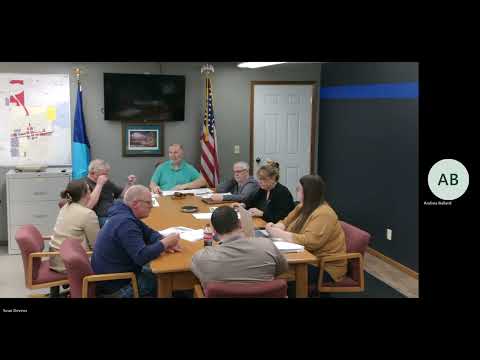
The Sherburn City Council on April 6 heard a presentation from Martin County EDA representative Dave Schmidt and EDA staffer Nicole Baron about pursuing a contract with CEDA to develop city-owned lots on Ringer Drive.
“We came down to talk about the Ringer Drive housing development…we help with special projects,” Dave Schmidt said, describing CEDA’s role in scoping, grant-writing and developer recruitment. Nicole Baron told council the EDA’s February housing study recommended 12 to 16 new units for the area and noted the city already owns 10 vacant lots along Ringer Drive that have sat empty since about 2001.
The presenters said CEDA would typically work under a not-to-exceed hourly contract — staff hours quoted up front, billed only for time used — and would lead efforts to secure grant funding for infrastructure such as street work, sewer and water. Schmidt estimated a realistic timeline of roughly one-and-a-half to three years from start to finish if permitting, funding and developer availability align.
Baron summarized the housing-study recommendations specific to Ringer Drive: a mix of patio homes and single-family houses with an initial build of a few units in phase one followed by additional units in subsequent phases so the city and EDA can recoup costs between phases. She said partnerships with the school district — including use of a retention pond tied to a school project — helped reduce some infrastructure cost estimates.
Council members asked about past projects and costs; Schmidt pointed to comparable CEDA projects (Cannon Falls, Belmont Heights) as examples of the agency’s typical work. He said CEDA also maintains a grant-writing team that would pursue infrastructure grants on the city’s behalf. EDA members noted the EDA has some funds available from a prior townhome sale that could be applied toward initial costs.
Council did not approve a contract at the meeting but directed staff to pursue follow-up meetings with CEDA and EDA staff and to supply more detailed cost estimates and a proposed contract scope. A possible next step mentioned was scheduling a dedicated session for city staff, the EDA and CEDA to develop a draft scope and budget.
If the council decides to proceed, officials said they expect staged development: small initial phases to test market and financing, followed by additional phases contingent on grant success and developer interest. The housing study, supporting documents and contacts for CEDA were made available to council and posted to city resources for further review.