Get Full Government Meeting Transcripts, Videos, & Alerts Forever!
Get email alerts on the Affordability And Tax Policy topic
No spam. Unsubscribe anytime.
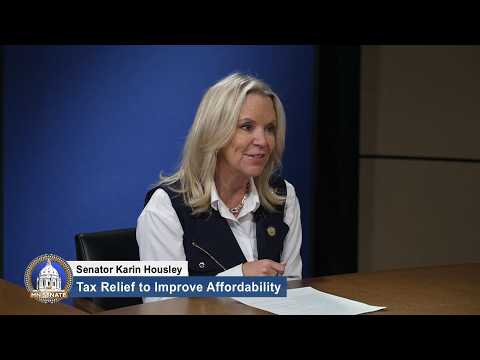
State lawmaker urges rollback of tab fees, tax conformity on tips and overtime to ease Minnesota affordability squeeze
Summary
A state lawmaker blamed recent spending and tax increases for worsening housing and cost pressures and proposed rolling back license-tab fee hikes and aligning state rules with federal exemptions for tips and overtime to boost worker pay and small-business competitiveness.
A state lawmaker speaking about Minnesota's affordability crisis urged lawmakers to rein in spending and pursue targeted tax relief, including rolling back recent increases in vehicle license-tab fees and conforming state tax rules to a federal change that exempts tips and overtime from state taxation.
The lawmaker recounted a personal example to frame the problem, saying her 34-year-old son moved to South Carolina after two years of house hunting in Minnesota. "First-time homebuyer age is 40 years old," she said, noting the shift from an average age of about 33 in 2020 as evidence the market has become less accessible to younger buyers.
Why it matters: The proposals aim to put more money into households and help small businesses compete for workers by increasing take-home pay. The lawmaker argued that certain fees and mandates have made everyday costs, from car ownership to housing, harder to afford for many Minnesotans.
Policy proposals and rationale The lawmaker urged lawmakers to "dial back" license-tab fees to their pre-2023 levels, saying neighboring states charge far less and that some Minnesota tab fees now exceed monthly car payments. She also proposed removing state taxes on tips and overtime to match federal changes, arguing those moves would deliver more cash to service workers and reduce burdens on households and small employers.
"Don't tax the overtime. Don't tax the tips that I'm tipping," she said, adding that federal action has already moved in that direction and that many other states have adopted similar measures. She said the change would not raise employer costs but would make workers more competitive in the job market.
Budget trade-offs and fiscal claims The lawmaker tied the push for tax relief to concerns about state spending and alleged fiscal mismanagement. She said Minnesota had an $18 billion surplus in 2023 that was quickly spent and claimed Democrats later increased taxes by about $10 billion. She also asserted that "$9 billion dollars has been stolen from Minnesota through fraud," and urged that state officials first control fraud and scrutinize spending before approving tax reductions.
These figures and attributions are presented as the lawmaker's statements; the transcript does not provide independent verification of the amounts.
Legislative prospects and process She said the tax-conformity bills have not received a hearing in the tax committee and described that as disappointing. The lawmaker expressed hope that a Republican majority after November would move the measures forward, saying the proposals are popular with voters and citing an approval figure she said was about 75%.
What wasn't decided No formal votes or committee actions on the proposals are recorded in the transcript. The lawmaker described bills she is pursuing but the exchange does not include committee action, amendments, or a timetable for floor consideration.
Context and next steps The lawmaker framed controlling spending, reducing fraud, and restoring purchasing power as prerequisites to effective tax relief. She said if leaders rein in what she described as wasteful spending and address fraud concerns, there would be room to consider tax cuts that could make Minnesota more affordable and encourage residents to stay or return.
The lawmaker indicated these priorities would be high on her agenda going forward and said she was hopeful the measures would be considered in a future legislative session.