Get Full Government Meeting Transcripts, Videos, & Alerts Forever!
Get email alerts on the 254 Main Street topic
No spam. Unsubscribe anytime.
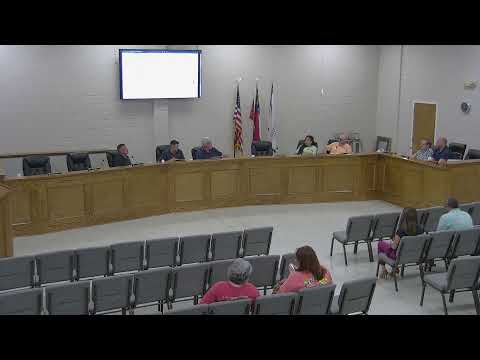
Loganville DDA splits over hiring a planner for 254 Main Street; selection tabled
Summary
Board members debated whether to spend a council‑budgeted $25,000 to hire a consultant to produce a master plan and pattern book for 254 Main Street, citing a looming zoning moratorium and limited DDA capacity; after narrowing RFQs the board voted to table a final selection pending further council alignment.
The Loganville Downtown Development Authority spent the bulk of its meeting debating whether to proceed now with a paid consultant to produce a master plan for 254 Main Street or to wait until the city’s zoning rewrite is further along.
Board Chair Dan opened discussion after members added “downtown project” to the agenda. Several members said the Seismore study already covers much of the site-level analysis and worried the DDA would be paying for duplicate work. Board member Tara said, “I just don't want to risk $40,000 and then have the council can it with one vote,” expressing concern about timing and political turnover.
Paul, who advised the board on legal and process questions, urged that a visioning/product — a pattern book with street‑level renderings and façade guidance — would produce a “developable product” that would allow the DDA and city to market the site to the private sector. He told the board the consultant could “design us a vision board … irrespective of what the zoning ordinances are,” allowing the vision to inform future zoning changes.
Members reviewed five proposals with varied scopes and prices. Some firms priced optional community engagement separately; others included public feedback in base bids. Dan said he favored Seismore and a firm referred to in the RFQ as Yalia/Ulia for public engagement at lower cost, while others preferred higher‑priced but more comprehensive proposals such as Gearston.
A motion to identify the top two proposals for further review passed by voice vote (recorded in discussion as 4–1). After additional debate about whether the city council would back the DDA’s choice and about the risk of spending DDA funds before council endorsement, the board later moved to table the selection indefinitely; that motion passed by voice vote and superseded the earlier procedural step to advance finalists to council.
On funding, members discussed a $25,000 professional‑services line in the city’s FY25/26 budget that staff said had been earmarked for the DDA’s 254 Main Street work. Several board members said the money is not transferred until the council approves an intergovernmental agreement (IGA). Paul described the IGA as the mechanism by which the council would “fund this project” and cautioned the board not to enter into obligations until funds and terms are in hand.
The board did not award any contract and left the consultant procurement paused so members could pursue council alignment and further evaluation. The item will return to a future DDA meeting pending additional coordination with city leadership and clarification of funding.
Next steps: the board tabled the consultant decision and asked staff/advisors to collect additional information and return sample IGAs and clarified RFQ cost breakdowns at a later meeting.