Get Full Government Meeting Transcripts, Videos, & Alerts Forever!
Get email alerts on the Trail Safety topic
No spam. Unsubscribe anytime.
Harwich bikeways committee debates whether safety copy should note that “walk your bike” signs are guidance, not law
Summary
Members reviewed a summer safety article for the Cape Cod Chronicle and split over whether to add a sentence clarifying that “walk your bike / do not ride” signs are safety guidance rather than a legal requirement; proponents said clarity would correct a misconception, opponents warned it could undermine simple safety messaging.
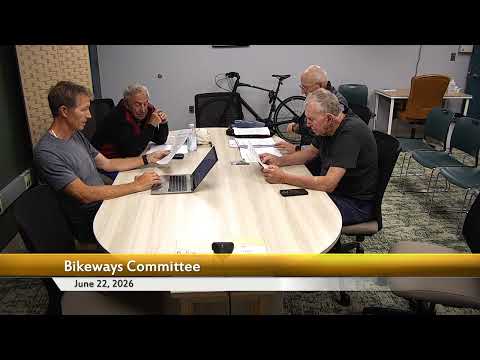
Members of the Harwich Bikeways Committee on June 22 reviewed a draft summer safety column for the Cape Cod Chronicle and disagreed over a proposed clarification about crosswalk signage.
The draft guidance that the committee reviewed reads in part: "Slow down and come to a complete stop at roadway crossings. Look carefully in all directions and proceed only when it is safe to cross." A committee member proposed adding a short paragraph to clarify that signs reading "walk your bike / do not ride" are intended as safety guidance rather than a legal requirement, to correct what they called public confusion about whether cyclists are legally required to dismount.
The committee split. One group urged keeping the text focused on simple safety behaviors; they argued that adding legal nuance would risk confusing readers and diminish the straightforward safety instruction. Fred Bryce objected to emphasizing legal distinctions in public messaging, saying that the committee’s priority should be encouraging safer behavior rather than parsing legal technicalities. Other members, including those who reviewed state guidance, said their conversations with the state Department of Conservation and Recreation indicated the signs are not legal mandates and that noting so would reduce anti-cyclist sentiment caused by mistaken assumptions.
Members also discussed control of signage on different trails: town-placed signs can be changed by the town on local trails, while some signs on the Cape Cod Rail Trail are under state control. That difference factored into whether the committee could, or should, seek removal or replacement of particular "walk your bike" signs.
After extended discussion the committee agreed to leave the primary safety items (stop, look, proceed when safe) in the draft and to prepare a suggested edit to the paragraph for consideration after the meeting. The group did not vote to adopt the clarifying sentence during the session; a member said they would circulate a proposed revised line and follow up with the Chronicle editor within 48 hours.
Next steps: the committee will circulate a suggested edit to the Chronicle’s number-six guideline and confirm whether the editor can publish a separate recruitment image or blurb in the same issue to help draw volunteers to the committee.