Get Full Government Meeting Transcripts, Videos, & Alerts Forever!
Get email alerts on the Property Standards topic
No spam. Unsubscribe anytime.
Lake Charles council grapples with adjudicated-property upkeep, grass-cutting limits and landlord dumping
Summary
Council members and staff discussed recurring neighborhood blight from adjudicated and parish-owned properties, limits on how often the city can contract to cut adjudicated lots, and repeated calls to hold landlords accountable for eviction-related dumping.
Lake Charles council members flagged persistent blight tied to adjudicated and parish-owned lots and pressed city staff for better enforcement and reporting on property standards.
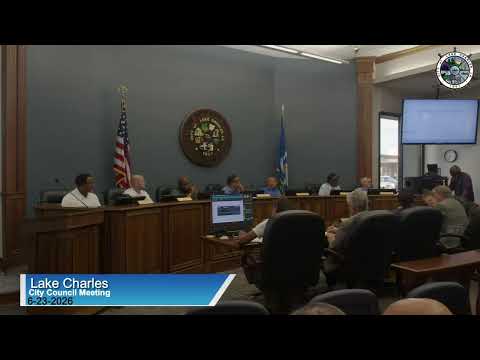
At a City Council agenda meeting, Councilman Bilbo described parish-owned parcels inside city limits that are being mowed only once a month and said that schedule leaves grass “up to my waist,” creating safety and aesthetic problems for neighborhoods. He asked that properties inside the city be held to the same maintenance standards as other city properties and requested regular reports to council offices so members can track complaints and responses.
City staff member Paula explained that adjudicated properties are handled under a contracted bid pack covering roughly 354 parcels and ”he cuts them every 30 days,” adding that state law limits the city to contracting work on those adjudicated properties once every 30 days. “But by law we can only cut it once,” Paula said, noting that contractors cannot work when the ground is too wet and that costs for adjudicated-property work are often not recovered (finance typically writes them off).
Council members stressed the operational burden when landlords evict tenants and leave large amounts of furniture and debris at the curb. “If you’re making money, you need to be a list that we can contact you,” one council member said, arguing for a rental registration that would make it easier to identify repeat offenders and bill them for cleanup instead of using taxpayer-funded crews.
Council member discussion also covered potential ordinance changes. One speaker urged review of nuisance-abatement and seizure sections (chapter 12.5, including penalties and authority to close areas) as a way to add enforcement teeth. Staff said they will follow up with additional information and legal counsel as needed.
What happens next: staff committed to provide clearer reports to council offices on property-standards complaints and to examine options for tracking and billing repeat landlord offenders. Any ordinance changes would follow the city’s normal introduction and adoption processes.