Get Full Government Meeting Transcripts, Videos, & Alerts Forever!
Get email alerts on the Environment Energy topic
No spam. Unsubscribe anytime.
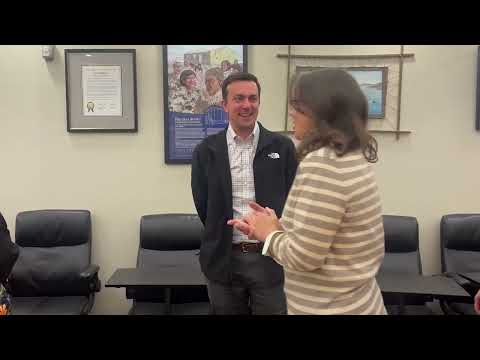
EPA Deputy Administrator David Fatouhi visits Nome to hear about energy infrastructure and conservation
Summary
EPA Deputy Administrator David Fatouhi said he traveled to Nome and the Bering Strait region to meet residents and learn about local opportunities and challenges in energy infrastructure, environmental protection and conservation needed to support residents' way of life.
EPA Deputy Administrator David Fatouhi said he traveled to Nome and the Bering Strait region to meet residents and learn firsthand about local opportunities and constraints for developing energy infrastructure and addressing environmental issues.
"Hi, it's EPA Deputy Administrator David Fatouhi wrapping up an action-packed day here in Nome, Alaska," Fatouhi said, describing an on-the-ground visit intended to gather perspectives from people in Nome, western Alaska and the Bering Strait region. He said he came personally to "understand and learn from them about the unique opportunities and also the unique challenges that Alaska faces in terms of developing energy infrastructure and dealing with environmental issues."
Fatouhi framed conservation as central to those conversations, saying he wanted to "learn from them about the importance of conservation and other tools that they need to support their way of life." The remarks focused on listening and information-gathering; no specific policy actions, funding commitments or formal decisions were announced in the remarks provided.
The visit, as described by Fatouhi, aimed to gather local perspectives that could inform how federal environmental policy and support for infrastructure projects are shaped for remote and coastal Alaskan communities. Fatouhi did not specify timelines, funding amounts, or concrete next steps in the short remarks recorded here.
Fatouhi's comments underscore the EPA's outreach approach in this instance: direct engagement with residents in a geographically remote region to better understand local priorities around energy and conservation.