Get Full Government Meeting Transcripts, Videos, & Alerts Forever!
Get email alerts on the Land Use topic
No spam. Unsubscribe anytime.
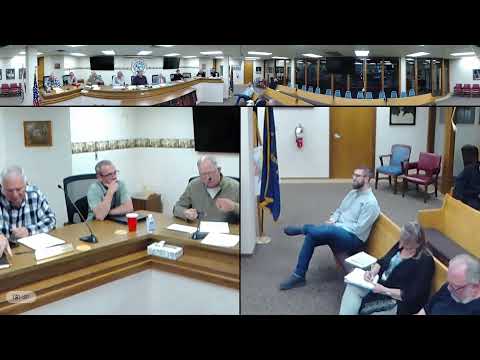
Wabash Plan Commission approves subdivision to redevelop former GDX site
Summary
The Wabash City Plan Commission approved a preliminary subdivision plat from Whitest Stone Resources to convert the former GDX site into single-family lots, multifamily units and a city park after developers described remediation steps and state sign‑offs.
The Wabash City Plan Commission on a voice and roll-call vote approved a preliminary subdivision plat that will convert the former GDX/General Tire site into single‑family lots, three‑story multifamily housing and a proposed city park.
The applicant, Whitest Stone Resources LLC, described a multi‑phase redevelopment that includes 49 smaller single‑family lots, 11 larger lots and three new streets connecting to Garfield (formerly General) Street and an extension of McCarti Street. Tim, the project representative, said the city negotiated a settlement with the responsible party and worked with the state to remediate contamination "so it could be a residential site." He added that environmental restrictions will be removed following state sign‑off.
Commissioners and residents pressed the applicant about drainage, lot sizes and market pricing. Tim said removing large areas of existing concrete and installing stormwater detention will reduce runoff compared with current conditions and that the design "exceeded all the normal standards" to manage stormwater. He described the park as city‑owned and said the parks department would be involved in maintenance planning.
Nearby residents asked about fences, retaining walls and long‑term drainage impacts. A resident who identified himself as Clust questioned whether a 20‑foot hill between properties would require retaining walls; the applicant responded that retaining walls were unnecessary and that grading and existing railway easements shape flow paths. Terry Weaver, owner of a nearby restaurant, spoke in favor of the project; Mary Kramer expressed concern about health stigma tied to past contamination and asked how the developer will market homes. Tim responded that testing showed contamination was localized, that material deemed a concern had been removed, and that deeds and vapor mitigation measures will disclose site conditions and protections.
After public comment the commission made a motion to approve the preliminary plat. Mrs. Smallley conducted a roll call during which the named commissioners recorded affirmative votes; the chair announced the motion passed.
The approval clears the way for the developer to complete final site‑work and begin initial phases of construction, including removal of existing concrete and the installation of streets. The applicant said final transfers and construction activity are expected to occur within months, subject to the remaining state certifications and routine city processes.