Get Full Government Meeting Transcripts, Videos, & Alerts Forever!
Get email alerts on the Parking topic
No spam. Unsubscribe anytime.
Indian Rocks Beach reports early results from paid‑parking pilot; city to analyze six‑month pilot data
Summary
City Manager reported 22 days into a paid‑parking pilot at beach access points: average session spans about 2 hours 22 minutes, enforcement uses ParkMobile and sheriff deputies have been supportive; staff will compile data for the six‑month pilot review and consider whether to expand paid parking.
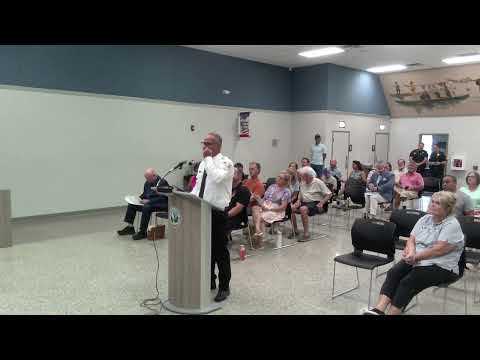
The Indian Rocks Beach City Commission received an update on the city’s paid‑parking pilot at beach access points, which launched about 22 days before the June 9 meeting.
City Manager Ryan said early data show people are paying for parking and that transactions average about two hours and 22 minutes, a signal that turnover is increasing and spaces are not occupied all day by single vehicles. Ryan credited coordination with the Pinellas County Sheriff’s Office for enforcement: deputies have access to the ParkMobile system and can cross‑reference paid tags to issue citations after hours.
The city reported increased parking citations in the month under review—about 106 parking citations compared with 84 the previous month—and staff said many citations were warnings. Overall, the sheriff’s office logged 260 total citations in the period covered by the sheriff’s report (including parking, boating and traffic citations), with 142 listed as warnings.
Ryan described the paid parking rollout as a six‑month pilot focused on beach access points; after that timeframe staff will evaluate whether to expand paid parking elsewhere in the city. The commission discussed whether parking revenue should be recorded in a separate parking fund (staff’s recommendation) or placed in the general fund; staff advised creating a dedicated parking fund to record revenue and expenses and to consider reserving part of the revenue for infrastructure and maintenance needs if the city later decides to pursue larger parking investments.
Next steps: staff will continue compiling pilot data, present revenue projections during budget planning, and discuss parking policy details (including golf‑cart enforcement and potential allocation of parking revenue to reserves for roads or parking infrastructure) with the commission at upcoming budget meetings and the Finance and Budget Review Committee.