Get Full Government Meeting Transcripts, Videos, & Alerts Forever!
Get email alerts on the Arts Education topic
No spam. Unsubscribe anytime.
Community Music Center director highlights new Nubian Square building and inclusive programming
Summary
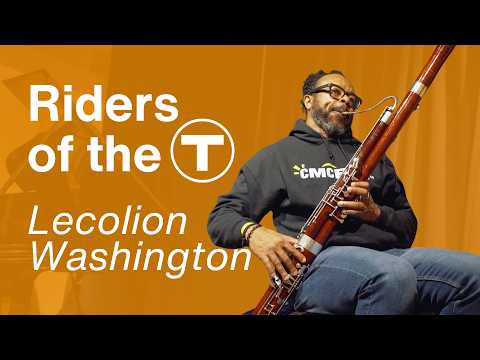
Lecolion Washington, executive director of the Community Music Center of Boston, described the center’s 1910 legacy, its role as an outside arts-education provider to Boston Public Schools, the recent purchase of a building near Nubian Square, and the center’s focus on culturally relevant programming and transit access for students.
Lecolion Washington, executive director of the Community Music Center of Boston, said the organization recently purchased a building near Nubian Square and is expanding programming aimed at making classical and other musical forms more accessible and culturally relevant to Boston students and families.
Washington said the Community Music Center, founded in 1910, is “the largest outside provider of arts education in the Boston public school system” and also offers music therapy in partnership with health and human services organizations. Washington said they have led the center since arriving in Boston in August 2017.
The director described personal experiences as a Black classical musician who felt a “cultural dissonance” in traditional classical spaces and said the center’s work is deliberately aimed at giving students access without forcing assimilation. “You don’t have to assimilate,” Washington said, adding that the center aims to help people maintain a sense of ancestral identity while engaging with the art form.
Washington said the center chose the recently purchased building partly because of its proximity to the Nubian Square bus station. “One of the primary things that folks talk about is the transportation barrier,” Washington said, but noted the site is an eight-minute walk to the Orange Line and that many community members are already familiar with public transit. They gave a personal example of their older son using public transportation to attend Boston Latin School and said transit access has given students independence.
Washington urged intentional culture-building at organizations, using the metaphor: "think about culture as like a petri dish. If you do nothing, a culture will occur and be created. It just may not be the culture that you want." The remarks framed the center’s programming priorities: relevance to community needs, deeper conversations about identity, and leadership development for teachers and educators.
The center’s statements were delivered as a presentation/testimony; Washington did not announce specific contracts, funding amounts, formal votes, or regulatory actions during these remarks. Next steps mentioned included implementing programming in the new building, outreach to school partners, and continued partnerships with health and human services providers.