Get Full Government Meeting Transcripts, Videos, & Alerts Forever!
Get email alerts on the Annexation Highlands topic
No spam. Unsubscribe anytime.
Cheyenne council approves large annexation and rezonings amid heated debate over Microsoft data‑center plans
Summary
After hours of public testimony and land‑use debate, the City Council approved owner‑initiated annexations and multiple zoning changes for roughly 3,500 acres in south Cheyenne tied to Microsoft interest. Residents pressed water, noise and community‑benefit concerns; an effort to postpone and require a binding community benefits agreement failed.
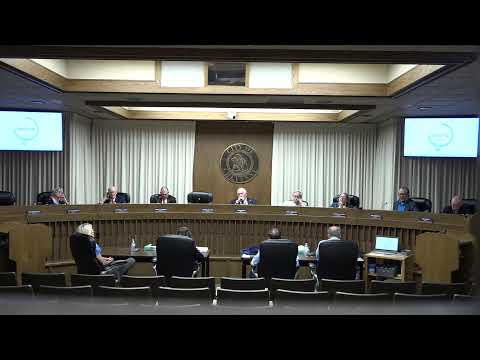
The Cheyenne City Council on June 22 approved owner‑initiated annexations and several related rezones covering roughly 3,500 acres south of Sweetgrass, advancing a multi‑decade planning path that council members and residents said could eventually accommodate large industrial development, including proposals tied to Microsoft.
Council members repeatedly stressed that the annexation itself is a planning step and not final approval for construction. "Annexation is about planning and not immediate construction," said Rachel Irwing, land development manager for Microsoft, adding that future phases will require engineering, environmental and permitting reviews. Jonathan Noble, a Microsoft operations executive, said company representatives want to begin technical studies and work with city staff "so we can build a project that works for the community."
Opponents pressed the council for stronger, enforceable guarantees. Dozens of residents and stakeholders raised questions about water use, aquifer impact, noise, wildlife displacement and whether the city was in a position to negotiate meaningful community benefits now that detailed designs do not exist. "Without a detailed plan, it is impossible to make that determination" about how the annexation will protect public health, safety and welfare, said Heather Madrid of Harmony Meadows during public comment.
Council debate focused on whether to delay action to negotiate a binding annexation or community benefits agreement. Councilman Larry Wolf moved to postpone for four months to give the mayor and staff time to seek a negotiated agreement; the motion failed after extended floor debate. Proponents said a postponement would create leverage to secure commitments; opponents and some council members said state law and precedent limit the council’s ability to condition annexation on specified cash payments.
Despite the controversy, the council approved the annexation and associated zoning votes in the evening. Several members recorded dissent on individual items: Councilman Moody voted no on certain rezoning motions, and a small number of postponement motions were defeated.
What passed and what’s next - Council approved annexation on second reading for the larger Highlands area and voted to establish zoning for parcels as proposed (some parcels to agricultural AR, others to LI/Business Park) so that future development processes can proceed under city jurisdiction. Votes were taken by roll call; outcomes were recorded on the transcript. - Microsoft representatives said the project is at an early stage: the company does not yet own the land and does not have detailed campus designs; it described the annexation as a step to allow earlier planning coordination.
Residents and union leaders differed in how they assessed the tradeoffs. Local labor leaders and current Microsoft employees urged approval, saying the facilities have created permanent, higher‑paying local jobs and training partnerships with community colleges. Others said the city should press for a larger, enforceable community benefits package before granting entitlements.
Council members who supported immediate action said annexation brings parcels under municipal rules that can limit noise and require metered city water rather than private wells. Supporters also noted precedent annexation agreements (including a SweetGrass agreement from 2018) that can be used as models for binding commitments.
The council postponed several technical future‑land‑use map votes tied to the annexation process until July to align procedural steps across related items. Council will take further votes on final readings and related zoning and development‑agreement negotiations in the coming weeks.
Votes at a glance (select items recorded in transcript) - Annexation (south of Sweetgrass/Highlands area): approved (roll call recorded; some dissent noted). - Related zoning (Business Park / LI / AR on various parcels): approved on second readings or adopted where recorded; specific roll calls recorded in the meeting transcript.
Why this matters The annexation and rezonings are a long‑range, scale‑changing decision for Cheyenne. Supporters argue bringing large projects under city oversight improves the city’s ability to require utility metering, infrastructure contributions and workforce commitments; opponents say irreversible choices about water, wildlife and future housing capacity are being taken without enough binding protections or detailed design.
What to watch next Council indicated it will continue to engage with Microsoft, city staff and the public as engineering studies and potential development agreements proceed. Several future public hearings and committee meetings on zoning, infrastructure and possible annexation agreements were scheduled in the transcript for July and later. The transcript shows council members and staff will consider modeled infrastructure costs and draft annexation agreement terms before final entitlements are granted.