Get Full Government Meeting Transcripts, Videos, & Alerts Forever!
Get email alerts on the Peacekeeping topic
No spam. Unsubscribe anytime.
MINUSCA chief tells Security Council CAR has made "remarkable" progress but warns security remains fragile as UN hands over bases
Summary
The Special Representative of the Secretary-General and head of MINUSCA told the Security Council that the Central African Republic has made "remarkable and tangible progress" including successful elections and gains in state authority, but warned that fragility along border areas and militia attacks mean sustained international investment is still needed as MINUSCA transfers bases to national authorities.
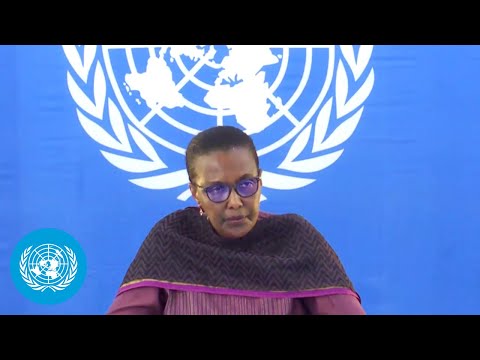
The Special Representative of the Secretary-General and Head of MINUSCA briefed the Security Council, saying the Central African Republic has made "remarkable and tangible progress towards lasting peace and security" with the "instrumental support of MINUSCA," while urging continued international backing to consolidate gains.
The briefing noted a string of recent political milestones: President Faustin Archange Touade9ra was inaugurated on March 30; the eighth National Assembly was installed on May 4; and the first government of the seventh republic formed on May 21. The Special Representative said the second round of legislative, regional and municipal elections, including by-elections, were successfully conducted on April 26, 2026, and described December 2025a0coupled elections as "historic." He added local contests improved inclusive governance, reporting an increase to 45% women elected as municipal councilors and noting the newly elected mayor of Bangui.
Despite those gains, the Special Representative warned that security remains fragile in several border areas. He said renewed armed activity tied to the conflict in Sudan had produced cross-border incursions targeting civilians in Vakaga prefecture, and that attacks and abductions by the AAKG militia continue to affect Ombella-M'Poko and Bomo prefectures. "The sustainability of security gains requires significant investment in the national security sector and institutions," he said, listing needs such as sustainment of deployed troops, construction and maintenance of defense and security bases, training, and improved operational and logistical capabilities.
On MINUSCA operations, the Special Representative described a reconfiguration intended to create a more agile, mobile posture focused on fragile areas. Between January and June 2026 the mission closed 21 bases (seven permanent operating bases and 14 temporary operating bases), closed three field offices and one of its three main compounds in Bangui, and handed over a number of static security positions to national counterparts. He said the reconfiguration generated "savings and integration gains" but stressed it depends on enablers, particularly aviation capacity given the country's limited infrastructure and an eight-month rainy season.
The Special Representative highlighted a formal handover ceremony on June 10 in Boda, Lobaye prefecture, where seven MINUSCA bases were transferred to the Central African government in a ceremony co-led by the Prime Minister and the SRSG. He described the process of identifying tasks to hand over as coordinated through joint planning between the mission and the government and overseen by an inter-ministerial committee chaired by the Prime Minister to ensure national ownership.
He concluded by thanking civilian and uniform personnel of MINUSCA, troop- and police-contributing countries and the UN country team for their contributions to stabilization efforts in the Central African Republic. The briefing closed without reference to a new Council decision in the transcript.