Get Full Government Meeting Transcripts, Videos, & Alerts Forever!
Get email alerts on the Zoning Code Update topic
No spam. Unsubscribe anytime.
Consultant outlines zoning-code rewrite, schedules public drafts and mapping sessions in Loganville
Summary
At a Loganville City workshop, consultant Brian Wright presented proposed zoning character districts, explained the drafting timeline and invited residents to hands-on mapping sessions and drop-in studio hours this week.
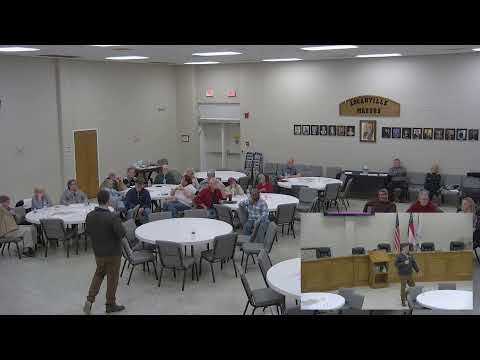
Brian Wright, principal of Town Planning and Urban Design Collaborative, opened a public workshop in Loganville City to explain a proposed rewrite of the city’s zoning ordinance and to lead a community mapping exercise.
Wright said the process began with a Feb. 3 kickoff and that the consultant team will draft an initial client version of the ordinance after compiling feedback from the workshop. "We'll start drafting the initial client draft of the ordinance. That'll go to staff to review," Wright said, setting out a sequence in which staff comments lead to a public draft and then a final ordinance advanced for adoption.
Why it matters: the consultant said the rewrite aims to give Loganville clearer, more predictable rules to guide growth, protect features residents value and improve walkability. Wright described zoning as the tool that implements the comprehensive plan and listed update goals: guide intentional growth, protect small‑town character, strengthen downtown, manage housing density and improve connectivity.
Wright outlined proposed "character districts" as a primary tool for the rewrite — examples he cited included a suburban single‑family district (CD3), a neighborhood center (CD4), a corridor district (CD4C) and an urban center (CD5) intended for the town’s downtown area. He emphasized that the districts are placeholders for discussion, not finalized proposals.
On public participation, Wright told attendees the project will hold open‑studio drop‑in hours at the Rock Gym (9:00 a.m.–7:00 p.m. Tuesday and Wednesday; 9:00 a.m.–noon Thursday) and topical sessions on housing, infill/redevelopment and streetscapes/walkability. The closing presentation is scheduled for Thursday at 6:30 p.m.
Wright also described practical zoning measures that influence everyday design, such as setting garages back from the street and allowing mixed‑use development with ground‑floor commercial and housing above. "When you improve your building, you shall do X, Y, and Z," he said, describing how the code can set expectations for reinvestment while creating economic incentives for owners.
Next steps: consultants will synthesize workshop input, prepare the initial ordinance draft for staff review, release a public draft for comment, and then work with staff and elected officials toward a final adoption process.