Get Full Government Meeting Transcripts, Videos, & Alerts Forever!
Get email alerts on the School Budget topic
No spam. Unsubscribe anytime.
Lincoln Public Schools presents $586 million preliminary 2026–27 budget; proposes 4.96% increase, levy to remain $1.02
Summary
Lincoln Public Schools staff presented a preliminary 2026–27 budget proposing a 4.96% general‑fund increase to about $586 million, while recommending the property‑tax levy remain at $1.02. Officials said staffing, expiring federal grants and declining state aid are the main drivers and that public input remains open through July 10.
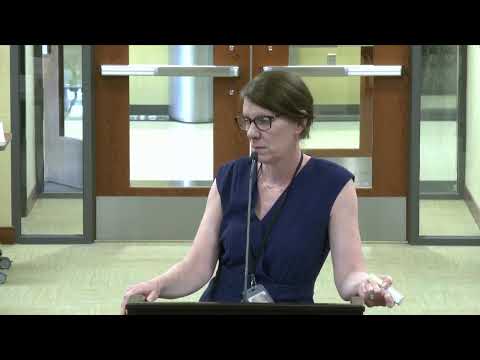
Dr. Standish, presenter for Lincoln Public Schools, presented the district’s preliminary 2026–27 proposed budget at the board work session and said it would increase overall expenditures about 4.96 to roughly $586 million while keeping the proposed property‑tax levy flat at $1.02.
The proposal centers on the general fund, which officials said is driven largely by personnel costs that account for about 88% of expenditures. Dr. Standish told the board that negotiated salary and benefit increases are the single largest driver (about $18.5 million) and that the district has made targeted investments to recruit and retain special‑education staff, including higher placement on the salary schedule and retention bonuses.
Why it matters: district leaders said the budget seeks to sustain services in the face of expiring federal grants and a multi‑year decline in state aid. Dr. Standish said the district absorbed portions of a school‑based mental‑health grant into the general fund to preserve counseling and behavior supports, producing roughly $4.7 million in changes to student and staff well‑being lines.
Supporting details: Dr. Standish noted an approximate $2 million adjustment in the revenue picture to replace lost federal funding, and that the district uses a three‑year revenue forecast to try to sustain programs. He said LPS is using a preliminary assessed‑valuation estimate of 4.75% received in April; the certified valuation will not be known until after the protest window and certification on Aug. 20, and the district may rely on cash‑flow adjustments to balance differences.
Facility and safety proposals include sustaining a penny in the building fund and proposing a half‑penny in the qualified capital purpose undertaking (QCPU) fund to begin vestibule and entrance upgrades at an estimated 31 sites. Dr. Standish said estimated costs for the full set of entrance modifications are about $3 million and that a half‑penny levy would generate roughly $2 million to start projects.
Authority and legal caps: Nebraska law limits revenue growth and levy actions. Dr. Standish said the standard revenue‑growth authority is 3% (with a process to access additional authority); the district’s preliminary model would use about 5.26% of authority and will require a formal board vote later in the process.
Other figures and context: the 2025–26 adopted budget was about $559 million; LPS reports it is ranked about 22nd of 245 districts in per‑pupil spending (roughly $16,000 versus the state average cited at about $18,000). Dr. Standish also described recent state changes that direct property‑tax credits to school districts and a resulting shift in the revenue mix (local share quoted around 39% in the presentation, state aid plus credits about 51% depending on measurement).
Questions from trustees focused on how state aid is counted and on employee benefits. When a board member asked whether EHA or Blue Cross will continue funding the Vitality employee‑wellness program, Dr. Standish asked Dr. Price to respond; Dr. Price said, “Yes, that’s the latest that I have heard,” indicating he had heard they would not continue funding the program.
Process and next steps: officials emphasized multiple public engagement opportunities. The online input window remains open until July 10, the district will hold virtual and in‑person presentations the following day, and the statutorily required hearings and filings will continue through August–October. Dr. Standish said formal budget authority votes will occur later after the finance committee reviews public input.
Public comment and adjournment: the clerk said no one had submitted blue cards for public comment; the work session adjourned without public testimony.