Get Full Government Meeting Transcripts, Videos, & Alerts Forever!
Get email alerts on the Municipal Budget topic
No spam. Unsubscribe anytime.
Nisswa council presses departments to trim spending as preliminary levy set at 6.07%
Summary
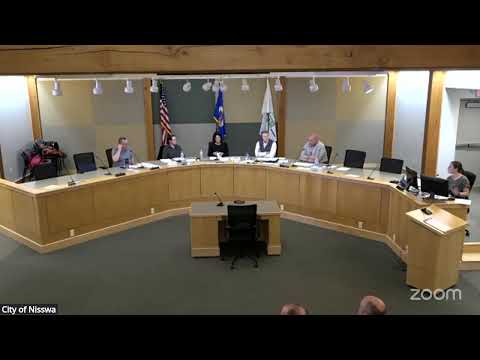
At a Nov. budget workshop, Nisswa City Council members reviewed department budgets and debated trimming reserves and discretionary lines to try to lower a 6.07% preliminary levy; staff were asked to return with follow-up numbers before the December final levy decision.
Nisswa City Council members spent much of a two-hour budget workshop probing departmental spreadsheets and pressing staff to find reductions that could shrink a preliminary 6.07% property-tax levy. The meeting opened with a council member warning that property taxes are “one of the most regressive taxes we have out there,” and urging colleagues to seek savings rather than lock in a higher levy.
Council members and staff reviewed each departmental tab, flagging modest line-item trims — for example, combining transportation and training reimbursements and reducing newsletter printing in favor of digital distribution. Staff noted the treasury rule of thumb used during the meeting: roughly $25,000 equals 1% of the levy, a figure repeatedly cited when members weighed reserve reductions.
The council focused particular attention on capital reserves and nonrecurring expenditures. Planning and zoning reserves tied to permitting-software and training were pared back in preliminary discussion; the general unallocated expenditures line — described by staff as a “catchall” — was debated and several members proposed reducing it to zero unless a specific planned expense is identified. Staff also pointed out statewide headlines that Department of Revenue estimates could produce substantial statewide property-tax changes in 2026, which council members said adds urgency to careful local budgeting.
Members sought clarity on where cuts could be made without undermining core services. Legal fees were a focal point: staff reported year-to-date legal spending near $46,000 and projected labor- and city-attorney-related costs could be north of $60,000–$70,000; some council members urged trimming that line to $40,000 for next year if an on-staff administrator reduces outside counsel demand.
The council did not adopt a final levy at the workshop. Several members asked staff to return with updated, itemized figures and the budget implications of the proposed trims so the council could make a final levy decision in December. The workshop ended after a motion to adjourn; no formal budget votes were taken at the session.