Get Full Government Meeting Transcripts, Videos, & Alerts Forever!
Get email alerts on the Curriculum Cursive topic
No spam. Unsubscribe anytime.
Committee approves curricular language adding cursive instruction to G-2 policy
Summary
The committee recommended adding language to policy G-2 requiring elementary principals to submit cursive instruction plans and stating students should master cursive by third grade; the transcript cites a legal reference noted as "17 uh col 266."
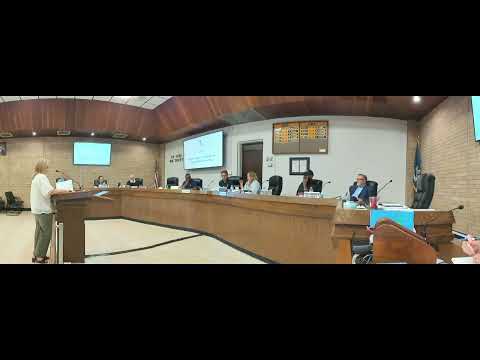
The Education and Policy Committee moved on June 23 to recommend that the board adopt revisions to curriculum policy file G-2 to require instruction in cursive handwriting.
Dr. Monica Breaux explained the revision adds the language of a law referenced in the transcript as “17 uh col 266” to the policy. Under the added language, each elementary principal must submit a detailed plan to the supervisor of elementary education before the first day of school describing how cursive will be taught. The committee was told students should master cursive by the end of third grade; instruction typically begins in the latter half of second grade and cursive should be incorporated across grades 4–12.
Breaux summarized commonly cited benefits of cursive instruction in the presentation, saying it may improve fine motor skills, support memory and brain development, aid signature writing and historical document literacy, and may help some learners with dyslexia or other learning differences.
Board members and at least one public commenter voiced support. One commenter who has taught at Nicholls said she encountered older students unable to read or write cursive, reinforcing the case for the policy change. The motion was moved and seconded and the committee recorded the motion as passed.
The committee’s record notes the legal citation as spoken in the meeting; the transcript’s phrasing of that citation is unclear ("17 uh col 266") and the committee said the language was incorporated into the policy. The full board will receive the committee’s recommendation for final action.