Get Full Government Meeting Transcripts, Videos, & Alerts Forever!
Get email alerts on the Session Overview topic
No spam. Unsubscribe anytime.
Senate Democrats point to $1.2 billion bonding bill, HCMC stabilization and other wins as session ends
Summary
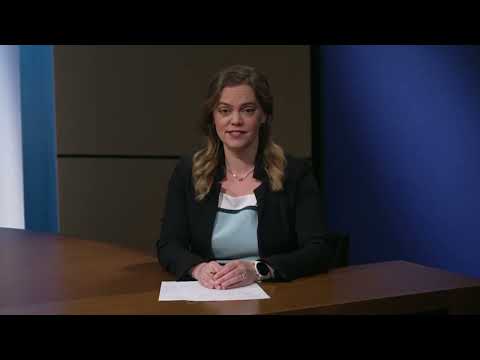
Majority Leader Erin Murphy said the Senate advanced a "powerful agenda" in the 94th Legislature, citing a $1.2 billion bonding package, emergency rental assistance, an inspector-general bill and measures to stabilize HCMC — while saying lead-pipe funding fell short.
Majority Leader Erin Murphy said the Minnesota Senate Democratic caucus finished the 94th Legislature by advancing a package of measures aimed at easing costs for families and strengthening public safety.
"Minnesotans are really paying the price with their pocketbooks, and with their sense of safety and security," Murphy said, summarizing the caucus' top priorities as the short session closed. She listed emergency rental assistance, immigration-enforcement measures, efforts to stabilize HCMC and gun-violence prevention among the session's accomplishments.
Murphy highlighted a negotiated bonding agreement that she said will send $1.2 billion to infrastructure projects statewide, including water, roads and bridges. "I'm really, really happy that we put together an agreement that moved a $1.2 billion infrastructure bill," she said, calling it an investment in local communities.
Murphy also said the Senate secured a modest appropriation for lead-pipe replacement but that the amount was insufficient: "We were able to get $15 million in, but it's not nearly what we need in an ongoing amount of money to do that job." She urged future sessions to prioritize a larger, continuing funding stream for replacing lead pipes.
On fraud and accountability, Murphy pointed to the passage of a bill creating an Independent Office of the Inspector General (OIG) as a bipartisan achievement intended to address concerns about misuse of public funds. She said the package aims to stop payments to bad actors while allowing legitimate service providers to continue work.
Murphy defended the Senate's use of last-day negotiations, saying much of the material that moved at the end of session had undergone committee review earlier in the legislative calendar. Still, she said too much bargaining is happening out of public view and expressed interest in returning more work to public conference committees.
Looking ahead, Murphy said she will pursue procedural rule changes and policy work during the interim, with a particular focus on health care and keeping rural hospitals open. "We need to preserve it," she said of HCMC, which she described in the interview as a statewide asset for trauma and emergency care.
The session conclusion also signals the start of the election cycle; Murphy said she was "very excited" about the campaign period and described it as an opportunity for voters to set direction for the next year.
What happens next: Many of the items Murphy cited are now law or moving into implementation; the interview did not include vote tallies or amendment texts. Murphy noted specific funding levels where the transcript reported them (bonding: $1.2 billion; lead pipes: $15 million).