Get Full Government Meeting Transcripts, Videos, & Alerts Forever!
Get email alerts on the Fraud Oversight topic
No spam. Unsubscribe anytime.
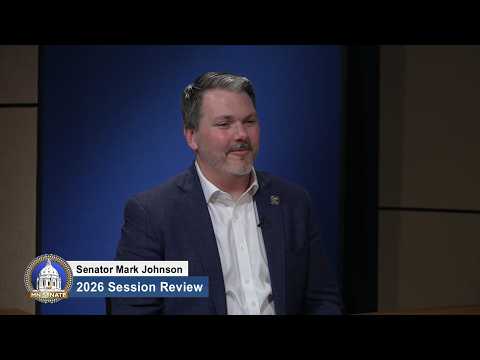
Lawmaker: session produced bipartisan fraud-reform wins, including independent inspector general
Summary
A state senator said the session produced bipartisan victories on fraud oversight — notably creating an independent office of the inspector general and passage of the 'Take It Back Act' designed to block fraudsters from profiting — and cautioned that implementation will be the difficult next step.
A state senator said the recent legislative session produced several bipartisan reforms aimed at curbing fraud, highlighted by the creation of an independent office of the inspector general and passage of a measure the senator called the 'Take It Back Act.' The senator said those were caucus priorities meant to protect taxpayer dollars.
"There are several big bipartisan wins this session, particularly the creation of the independent office of the inspector general," the senator said, adding that passing bills is only the start: "Now the hard work comes to the play of actually putting those into effect." He described the Take It Back Act as a tool to ensure "they never benefit from the proceeds that they've stolen from Minnesota taxpayers."
The senator also described efforts to refine fraud protections after reports that some legitimate service providers were swept up in enforcement actions. "What we've done is put together a package here that is even-handed that allows those who are operating in good faith and providing the services to Minnesotans to continue providing those," he said, while adding that the package will help cut off payments to fraudsters.
The senator framed the OIG and anti-fraud measures as part of a broader push for fiscal accountability. He said the caucus used minority leverage late in the session to get some measures over the finish line and emphasized that agencies and implementation teams will now need to translate statutes into rules and administration.
The interview did not include bill numbers or an implementation timeline; the senator said work to implement the new oversight and fraud tools is now beginning and will determine how well the measures protect taxpayers while avoiding harm to legitimate providers.