Get Full Government Meeting Transcripts, Videos, & Alerts Forever!
Get email alerts on the Utilities Sewer topic
No spam. Unsubscribe anytime.
Council weighs sewer rate adjustments, seeks formal utility‑rate study
Summary
City staff told the New Richland council that aging wastewater infrastructure has strained the sewer fund; staff is pursuing a utility‑rate study (including a pro‑bono offer from the Minnesota Valley Council of Governments) and suggested a near‑term swap of base charges to balance customer bills while long‑term rates are set.
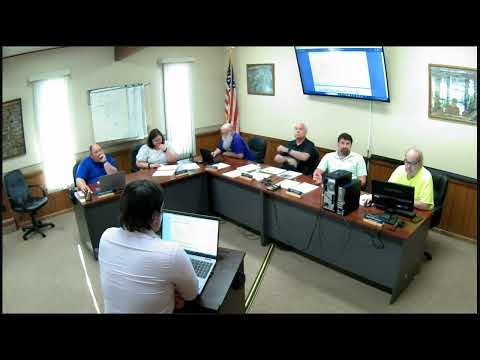
The New Richland City Council discussed sewer‑fund shortfalls and options to stabilize utility finances at its July 8 meeting. Tony, a city staff member, said the water fund has benefitted from recent debt maturities but the sewer fund has seen cash declines year‑over‑year due to aging infrastructure and higher maintenance costs.
Tony said the city reached out to audit firm ABDO for a utility‑rate study and was also offered assistance by the Minnesota Valley Council of Governments at no charge. He described a typical study as a 3–5 year analysis of system costs, debt service, historical revenues and recommended rate levels to achieve rate stabilization.
As an interim option Tony proposed a near‑term adjustment that would lower water base charges and raise sewer base charges by an offsetting amount so customers would see a net‑zero change on their bills while the city completes a formal study before the budget. The staff member said the council could consider executing that swap at the next meeting if the study is not yet complete.
Council members also discussed capacity to finance sewer repairs and the idea that the water fund could subsidize sewer operations while the city plans long‑term capital investments. No formal rate resolution or ordinance was introduced at the meeting; staff said the study would inform budget decisions later in the year.
Next steps: staff will continue to seek formal quotes for a paid study, pursue the Minnesota Valley COG offer, and present recommendations during the budget cycle.