Get Full Government Meeting Transcripts, Videos, & Alerts Forever!
Get email alerts on the Community Services topic
No spam. Unsubscribe anytime.
Toys Go Around urges county to preserve toy‑lending library as board weighs rent, space and building use
Summary
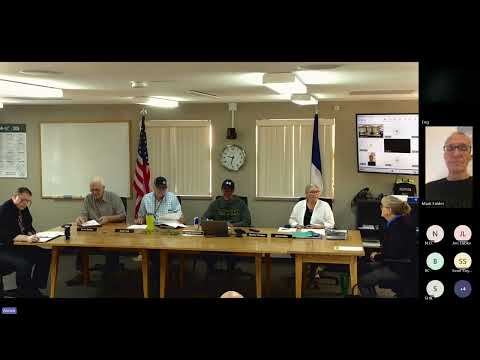
Representatives of the Toys Go Around toy‑lending library told the Winneshiek County Board the program is a unique, low‑cost community resource serving young children and grandparents; supervisors debated rent increases, fundraising and convening building tenants to find a shared solution and agreed to revisit the issue in July.
Toys Go Around representatives told the Winneshiek County Board that their toy‑lending library is a small, community‑centered operation that serves young families and older residents and that placing the program on market‑rate rent would risk pricing out users.
"This is unique to Winneshiek County and it brings value to young families, retired grandparents and aunts and uncles who use the library routinely," the Toys Go Around representative said, noting the group operates on roughly $30,000 a year and asked the board to consider the program’s community value as the board evaluates space and rent in the Community Services Building.
Board members pressed for specifics about fundraising and membership. The speaker said the program budgeted a 20% increase for 2026, that they operate about 10 hours a week and that they counted 97 distinct children who used the service last year and recorded 3,513 toy checkouts. The representative added that an informal petition collected 125 signatures in support of the library and that the organization conducts outreach with hospitals and child‑care providers.
Supervisors expressed sympathy for both the library and residents’ infrastructure needs. One supervisor noted the county must prioritize roads and bridges, while others urged exploring creative ways to preserve community services. The board discussed options that included increasing the library’s fundraising, seeking city contributions tied to resident use, and asking building tenants (including the Department of Human Services, the food pantry and Spectrum) to meet and discuss how to better share and utilize underused space in the building.
County staff and the toys‑library proponents agreed to reconvene on the issue in July and for the group to report back with updated fundraising figures and a clearer sense of how many users are city versus county residents. The board did not make a formal decision to change rent at this meeting.
Following the discussion, a supervisor said the board should consider the building’s broader role as a community service hub while weighing fiscal constraints on the county’s budget for infrastructure.
The discussion on the toy‑lending library will be revisited at the board’s July meeting.