Get Full Government Meeting Transcripts, Videos, & Alerts Forever!
Get email alerts on the Finance Bonding topic
No spam. Unsubscribe anytime.
Melrose board approves tax-abatement bonds to rebuild and reconfigure school parking lot
Summary
The Melrose Public School District board approved resolutions to pursue property-tax abatement bonds, authorizing up to $4,415,000 in bond authorization on a 10-year term to replace and reconfigure the district parking lot; officials said the levy is structured to be tax-neutral in early years.
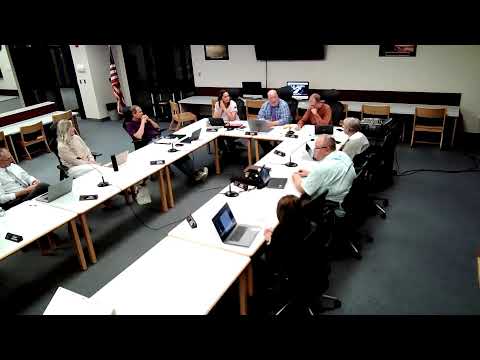
The Melrose Public School District school board opened a public hearing on a plan to replace and expand the district parking lot and then approved resolutions to pursue property-tax abatement financing for the project.
Consultant Jody Ellers of ERS told the board that the state statutory abatement authority (in place since 1997) permits local districts to use an abatement bond mechanism for parking-lot projects. Ellers advised that the district would identify parcels for the abatement, the Minnesota Department of Education would add a debt-service levy to the district's levy report once the board takes action, and the district expects to bid the construction next spring and issue bonds to finance the work.
Ellers said the abatement bond authorization is capped at a maximum of $4,415,000 and would be structured as a 10-year term, with taxes payable beginning in 2025. She told the board the debt-service levy was set up to be level with current levy levels so the net impact would be tax-neutral in the early years; the levy then steps down in later years. "We have the tax rate set up so that it is level with where your taxes are now," Ellers said during the presentation.
Board members and members of the public asked whether the abatement simply replaces expiring debt, whether bond proceeds are restricted to parking-lot work and whether this financing would affect the district's ability to seek future referendums. Ellers and staff clarified that abatement-bond proceeds can be used only for the parking-lot project, that some items (for example, ongoing water-line repairs) do not qualify for abatement proceeds and would be paid from long-term facilities maintenance funds, and that the abatement structure is intended to be tax-neutral on the tax statement in the near term.
After discussion the board moved and approved several resolutions: one granting the abatement, one authorizing the financing and bond issuance, and a resolution of intent to issue tax-abatement bonds. The motions carried with no opposition noted in the audio record. The board will finalize levy numbers with the Minnesota Department of Education by the department's September 30 filing deadline and expects to solicit bids for construction and bond sale next spring.
The project, board members said, is intended to improve circulation and student safety by reconfiguring bus and parent drop-off areas and adding parking capacity for events; architects and planners will develop detailed circulation plans once funding is secured.