Get Full Government Meeting Transcripts, Videos, & Alerts Forever!
Get email alerts on the Elections topic
No spam. Unsubscribe anytime.
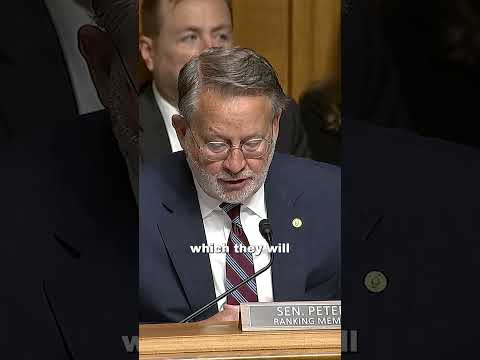
Presenter warns presidential order would give Postal Service unprecedented authority over elections
Summary
A presenter said a presidential March executive order directing the Postal Service to create a mail-in absentee participation list would let the agency verify who may receive and cast ballots by mail, a change the presenter called an unconstitutional subversion of the Postal Service27s duty.
A presenter said a presidential March executive order directing the Postal Service to create a new mail-in absentee participation list would allow the agency to verify which voters are eligible to receive and cast ballots by mail and would amount to an unconstitutional subversion of the Postal Service's duty.
The presenter described the directive as a change in authority: "This would give the Postal Service unprecedented authority over American elections and is a unconstitutional subversion of the Postal Service's duty," the presenter said. They framed the list as a mechanism for the Postal Service to determine absentee-mail eligibility rather than a simple administrative tool.
The remarks identified the executive order as the source of the proposed change but did not cite a specific statute or regulation. No response, counterargument, or formal action is recorded in the transcript provided. The presenter27s remarks stand as an assertion in the record; the transcript does not include legal analysis, an agency response, or a vote on the matter.
The discussion is limited to a single block of remarks and does not show subsequent debate, staff explanation, or procedural steps to implement or block the order. Because the transcript does not record any formal action, it is not possible from this record to determine whether the change will proceed, be challenged, or how it would be implemented administratively.