Get Full Government Meeting Transcripts, Videos, & Alerts Forever!
Get email alerts on the Environment Restoration topic
No spam. Unsubscribe anytime.
Institute for Regional Conservation to start Coral Reef Park restoration Jan. 8, director says
Summary
Alex Seashultz, director of ecological restoration at the Institute for Regional Conservation, said a restoration project will begin Jan. 8 at Coral Reef Park to boost plant diversity by reducing invasive species and selectively thinning overgrown natives including live oak and saw palmetto. Funding and permit details were not specified.
Alex Seashultz, director of ecological restoration at the Institute for Regional Conservation, said the organization will begin a restoration project at Coral Reef Park on Jan. 8 aimed at increasing plant-community diversity by removing invasive species and selectively managing overgrown native plants.
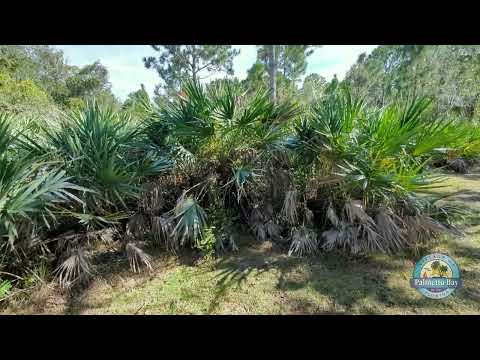
"Next week starting January 8, we are going to initiate a restoration project in the natural forest community at Coral Reef Park," Seashultz said. He said the project will reduce invasive species and address some overgrown native species such as live oak and saw palmetto.
Seashultz described the work as intended to "leave a legacy for the future that shows a healthy relationship with nature and urbanization." He emphasized that restoration "is not a quick and easy process. It's a long term goal, and the results will be enjoyed by the community for many generations."
Details the speaker provided included the start date (Jan. 8), project location (Coral Reef Park) and the primary ecological objectives: reduce invasive species and thin or otherwise manage overgrown native species to improve plant diversity. Seashultz did not specify funding sources, permitting status, exact acreage, or a detailed timeline for phases of work.
No formal votes or motions were recorded in the presentation. The announcement appears to be an organizational project led by the Institute for Regional Conservation; any needed permits, municipal approvals, or funding commitments were not mentioned in the remarks.
The project targets both invasive species and some dense native canopy species to restore a more diverse understory and native plant mix. Seashultz framed the work as long-term community stewardship rather than a short-term intervention.
Next steps the speaker identified were the project start on Jan. 8 and continued long-term management; additional logistical details, community engagement opportunities, and funding or permit information were not specified in the remarks.