Get Full Government Meeting Transcripts, Videos, & Alerts Forever!
Get email alerts on the Budget topic
No spam. Unsubscribe anytime.
Board approves budget revision; business staff reports pay-equity study 'clean'
Summary
The Melrose Public School District board accepted a revised current-year budget that narrows a prior projected gap and reviewed a pay-equity analysis reporting an underpayment ratio of 89.29%; business staff flagged rising personnel costs and about $100,000 in near-term capital choices.
The Melrose Public School District board accepted a revision to the current-year budget that staff said closes most of an earlier shortfall and leaves the district with a modest surplus on the revised figures.
Business staff explained that when the original budget was prepared in May there were uncertainties; after updates the district projects roughly $9,000 more in revenues than expenses under the revision, an improvement from an earlier net gap of about $441,000 reported in preliminary figures. The presenter said the overall revision represents "just under $50,000" of net change from the previous budget submitted earlier in the fiscal cycle.
The report noted that personnel costs — salaries, wages and benefits — are rising faster than other expense categories. Staff also identified near-term capital needs and trade-offs: roughly $100,000 will be required for either an HVAC-controller upgrade or an update to the school's fire system within the next couple of years; several projects were pushed from the prior year into the current budget.
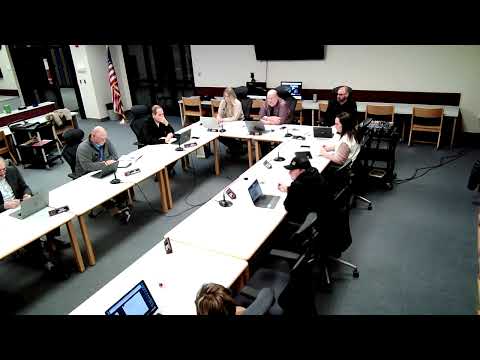
The board moved, seconded and approved the revision during the meeting; the vote was recorded as "all in favor" and the motion carried.
Separately, the district presented a required pay-equity analysis that compares compensation across gender and position. The presenter reported an "underpayment ratio" of 89.29% and described the study as "clean," indicating the district met the state study’s requirements and had no corrective findings at the time of the report.
Why it matters: The budget revision shapes the district’s financial plan for the coming months and highlights where resources will be constrained. Rising personnel costs and capital maintenance needs may constrain discretionary spending. The pay-equity analysis is a compliance item that also signals whether the district must adjust compensation practices to meet state standards.
What’s next: Board members will continue to monitor legislative developments that could affect state funding and will consider these budget adjustments and capital priorities as they finalize planning for the next fiscal year. No additional fiscal action was taken during the meeting beyond accepting the revision.
Ending: The budget revision was adopted and the pay-equity report was accepted as presented; the board will continue to consider budget priorities, contract settlements and capital choices in coming meetings.