Get Full Government Meeting Transcripts, Videos, & Alerts Forever!
Get email alerts on the Environment topic
No spam. Unsubscribe anytime.
Barry Conservation District rolls out septic‑repair pilot, reports $1.9 million in local impact
Summary
Danielle Zolner, executive director of the Barry Conservation District, told commissioners the district sold more than 7,000 native tree seedlings, provided technical assistance across 15,000 acres generating about $1.9 million in economic impact, and will pilot septic repairs with 50–100% reimbursements in four high‑risk watersheds.
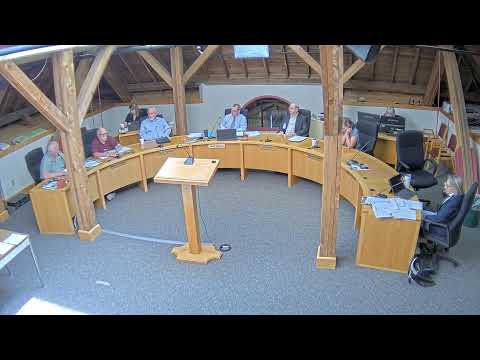
Danielle Zolner, executive director of the Barry Conservation District, presented the district’s annual report to the Barry County Board of Commissioners on June 23, outlining outreach programs, technical assistance and a new septic‑repair pilot.
Zolner said the district sold more than 7,000 native tree seedlings and engaged over 1,000 residents in education and outreach. She told the board her staff and Natural Resources Conservation Service partners visited more than 15,000 acres this past year and that those visits helped generate about $1.9 million in conservation investments and economic impact across the county.
Zolner described a new nonpoint‑source pollution grant that funds repair or replacement of septic systems in four high‑risk watersheds — Thornapple Lake, Mud Creek, Highbank Creek and the Upper Thornapple River — with proposals to reimburse property owners 50% to 100% when systems are located in the 100‑year floodplain. The pilot is intended as a first phase and the district hopes to expand the program if it is successful.
She also summarized other district activities, including invasive species work with a regional CISMA partnership, watershed sampling through MyCorps volunteers, recycling and hazardous waste access at regional sites, and community events including Outdoor Youth Day on Sept. 19 at Historic Charlton Park.
Zolner noted fiscal year 2025 income of about $585,000, primarily from grants, with county support covering approximately 8% of the district’s budget. She encouraged residents and staff to complete the district’s conservation needs survey at barrycd.org before the June 30 deadline.
Commissioners asked questions about volunteer sampling, lanternfly monitoring and targeted invasive species work; Zolner invited volunteers and clarified grant‑eligible species.