Get Full Government Meeting Transcripts, Videos, & Alerts Forever!
Get email alerts on the Zoning Data Centers topic
No spam. Unsubscribe anytime.
Jefferson County commissioners seek temporary moratorium on new data centers and heavy industrial development
Summary
After a Development Services briefing on data centers, commissioners directed staff to draft a resolution placing a temporary (about 4–6 month) moratorium on new heavy industrial uses — including large data centers — while the county updates zoning and the comprehensive plan.
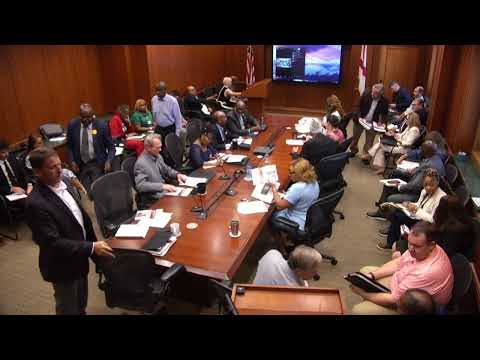
Jefferson County commissioners on Thursday directed staff to draft a temporary moratorium on new heavy industrial uses, including large data centers, while the county develops a regulatory framework and updates its land‑use plan.
Development Services Director Josh told the commission that data centers range from a single server in a closet to hyperscale facilities and that the county currently lacks a clear zoning pathway for them. "A data center is a land use that manufactures data," Josh said, emphasizing the facilities' large power and water demands and potential externalities such as noise, light and localized heat increases.
Josh and other staff recommended a countywide framework that would tie controls to measurable triggers (for example, grid capacity thresholds or noise levels) and said the comprehensive plan and future land‑use map should be updated before approving large new projects. Staff warned that acting without those updates could invite legal challenges.
Several commissioners said they wanted a clear, public pause on new projects while the framework is drafted. "It is our job as commissioners to reassure our citizens that we're doing the right thing on their behalf," one commissioner said, urging language that protects existing industrial parks and expansions while preventing new, large developments in residential areas.
The county attorney advised that, because the zoning and land‑use designations required for data centers are not yet in place, there is a de facto constraint on approving such projects, but he also said it would not be unlawful to adopt an explicit moratorium and recommended staff clarify the commission's intent publicly.
Commissioners discussed exclusions and scope — for example, allowing expansions of already‑zoned industrial facilities and protecting permitted projects such as U.S. Steel expansions. Staff estimated the drafting and community outreach work would take roughly four to six months and said they would meet individually with commissioners to refine the proposed language.
The commission did not adopt a moratorium ordinance at the meeting. Instead it voted to have staff prepare draft moratorium/resolution language for consideration at the next meeting and to circulate the draft to commissioners in advance. The motion was referred to staff/committee for drafting and public outreach.
Next steps: staff will draft a resolution that would place a temporary moratorium on new heavy industrial uses (with stated exclusions for expansions and pre‑zoned projects), circulate language to commissioners, and schedule the item for formal consideration at the next meeting.