Get Full Government Meeting Transcripts, Videos, & Alerts Forever!
Get email alerts on the Energy Policy topic
No spam. Unsubscribe anytime.
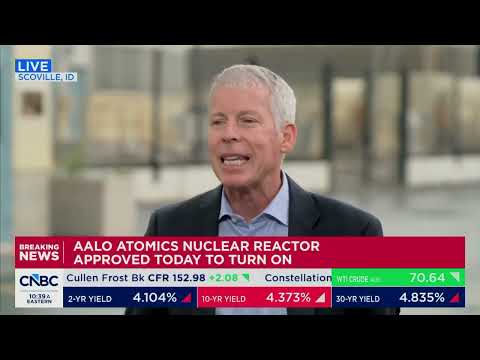
Energy secretary says lifting some Iranian oil sanctions could modestly increase exports; defends oversight and SPR strategy
Summary
In the interview, the U.S. Energy Secretary said easing some sanctions may allow Iran to export roughly 1.5–2 million barrels per day, said any released frozen funds would be tightly controlled, and defended the administration's Strategic Petroleum Reserve trading and refill approach.
The U.S. Energy Secretary told reporter Pippa Stevens that removing some restrictions on Iranian oil would allow Iran more freedom to sell crude and to receive payment in dollars, and estimated Iran's current export capacity at about "1 and 1/2 to 2 million barrels a day."
On oversight, he said funds that remain frozen would be tightly controlled if they were ever released: "Those funds are still frozen. They are not released. But, if they are released, how they will be expended will be tightly controlled."
Asked about the Strategic Petroleum Reserve (SPR), the Secretary said the administration has no plan to change the pace of releases and emphasized that, unlike the prior administration, officials "did not sell a single barrel. We traded." He said roughly "35‑plus million barrels at no cost to American taxpayers will be added to the SPR in the next few years as we refill" from returned trades.
When asked about a presidential goal of a $2.25 national pump price, the Secretary declined to predict a timing but said increased domestic oil production and additional low‑carbon generation from new reactors are expected to put downward pressure on energy prices. He linked long‑term price stability to preventing Iran from obtaining a nuclear weapon, saying that would reduce geopolitical risks to energy flows.
The Secretary framed these steps as part of a broader strategy combining diplomacy and energy policy; he did not provide details about the specific oversight mechanisms for released funds or list recipients or contractual terms for SPR acquisitions during the refill.