Get Full Government Meeting Transcripts, Videos, & Alerts Forever!
Get email alerts on the Short Term Rentals topic
No spam. Unsubscribe anytime.
Planning commission hears wide public comment on short‑term rental options; staff to return with data
Summary
Staff outlined options to tighten enforcement and consider modest increases in short‑term rental permits (current cap 25; 23 active, two pending). The study session drew sustained public comment on TOT revenue, displacement risk, owner‑occupied priority, 300‑ft spacing and SB 346 platform reporting; commissioners requested more data and signaled openness to incremental changes.
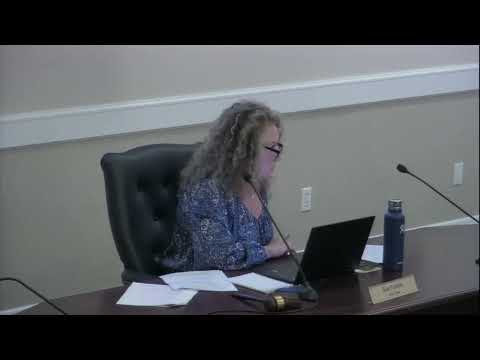
St. Helena planners presented a study session on short‑term rentals on June 23, reviewing the city’s existing program and soliciting planning commission and public feedback on possible changes that could include a modest cap increase, annual renewals, spacing requirements, and platform reporting under SB 346.
Assistant Planner Natalie Breeey summarized the program and data staff have so far: the city currently has 23 active short‑term rental permits, two applications in process (bringing the cap of 25 close to full), and inconsistent renewal timelines because approvals occurred at different dates. Staff proposed potential policy options including a staged increase in permits (for example, five new permits per year for five years), a cap tied to 1–2% of housing stock, moving from biennial to annual renewals, using third‑party platform reporting authorized by SB 346 to improve transient occupancy tax (TOT) reporting and compliance, and a 300‑foot spacing rule to avoid clustering.
The session was informational and no decisions were taken. Dozens of community members spoke during public comment and delivered written letters. Speakers repeatedly asked staff to provide robust data on TOT revenues, number of days rented per permit, police calls for service tied to STRs, verification of primary residence claims, and the program’s net fiscal impact after enforcement costs. Resident Tom Belt said city leaders must understand "how much revenue is coming in" before expanding the program and urged priority for owner‑occupied, roommate‑style rentals to ease enforcement. Mary Stevenson argued any revenue from STRs should be weighed against lost long‑term housing and asked whether STR proceeds could be routed to the affordable housing trust fund.
Supporters of expanding the program, including several permit holders and a vacation rental manager, urged greater use of platforms for reporting and annual renewal windows to make oversight easier. Marie Phillips, representing a vacation‑rental trade group, said platform collection of TOT has worked in neighboring counties and would reduce reliance on self‑reporting.
Commissioners thanked speakers and broadly signaled openness to incremental change but emphasized the need for additional evidence before recommending policy changes. Vice Chair Ferdick and other commissioners requested staff return with specific data: number of days rented by each permit year‑to‑date and historically, police/calls‑for‑service tied to permitted STRs, detailed TOT revenue and net fiscal impact, vacancy and ownership breakdown by housing type, and mapping of current spacing distances among the 23–25 permitted units. Staff said they would attempt to compile the information and, if available, present findings at a future outreach session and a fall or winter 2026 hearing.
What happens next: staff will refine the draft ordinance and return with requested data, enforcement options (including fines and three‑strike policies), and analysis of platform reporting under SB 346 before the commission makes any formal recommendation to the City Council.