Get Full Government Meeting Transcripts, Videos, & Alerts Forever!
Get email alerts on the Public Participation Rules topic
No spam. Unsubscribe anytime.
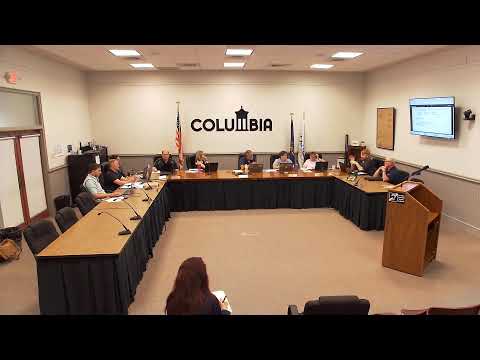
Columbia council tables stricter public-comment rules after heated debate
Summary
Councilmembers and residents sparred over a draft rule that would limit public comment to a single five-minute period at the start of meetings and require street-address sign-ups; council voted to table Resolution 2026‑16 for further revision and public input.
A proposed change that would limit public comment to a single five-minute slot at the start of Columbia Borough Council meetings and require a full street address on the sign-up sheet was tabled Tuesday after members and residents raised concerns about fairness, enforceability and the removal of long-standing practices.
The draft resolution, filed as Resolution 2026‑16, would have centralized public participation by allowing one initial period for comments on agenda and non‑agenda matters, set a five‑minute per-speaker limit with no yielding of time, and allowed the presiding officer to impose an overall time cap if many speakers signed up.
Supporters said the change aimed to keep meetings orderly. Opponents — including several residents who spoke during the comment period — argued it would strip the public of meaningful participation during deliberations on agenda items, deter participation by those unwilling to disclose a street address and remove mechanisms for group spokespersons and recorded meetings. "If we're going to ask people to make their comments at the beginning and have them feel that they are providing meaningful comments, it's nearly impossible to do that if they don't hear the conversation," one council member said during debate.
Residents and council members also objected to the address requirement on the signup sheet. One council member suggested a sworn-attestation line could be used instead to avoid collecting personal address data while maintaining enforceability.
Councilors flagged three specific deletions from the town’s prior policy: (1) removal of a provision allowing groups to designate a spokesperson, (2) elimination of a formal process for requesting to be placed on a future agenda, and (3) dropping the explicit recording/record-keeping guidance. Several speakers said those removals could undermine transparency and discourage residents from speaking.
After extended comment from council and the public, a motion to table the resolution carried; council asked staff to refine the language, restore or clarify the removed provisions and return the measure for discussion at the next workshop. The decision pauses any immediate change to the borough’s current public-participation procedures.
The resolution was tabled with the intent to rework enforcement details, address the address‑collection concern, and propose how public comment might be allocated around agenda items while maintaining orderly meeting flow. The council voted to return the item to the workshop on July 7 for further consideration.