Get Full Government Meeting Transcripts, Videos, & Alerts Forever!
Get email alerts on the Student Assessment topic
No spam. Unsubscribe anytime.
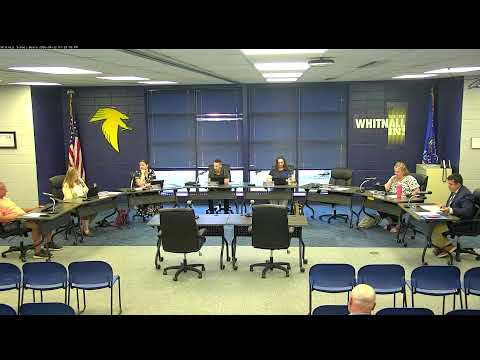
Whitnall screening shows strong math and reading growth; board flags K5 fluency measures for follow-up
Summary
Dr. Ryan told the Whitnall School District board that spring 2026 universal screening results show median percentiles above national norms across most grades — notable MAP gains in middle school math — while board members asked staff to investigate increases in early-grade personal reading plans and fluency measures for K5.
At the Whitnall School District board meeting, Dr. Ryan presented spring 2026 universal screening results, saying, “overall it's very good news,” and describing above‑national‑norm median percentiles in math and reading across most grade levels.
Dr. Ryan told the board that K4 students’ median math percentile rose from the 72nd percentile in fall to the 76th in spring, and that about 8% of K4 students were identified as at risk (below the 15th percentile). K5 median math remained high (about the 70th percentile) though a small decline was noted; first graders’ median percentiles held near the 69–70 range. Middle school MAP math showed particularly strong cohort gains, with an 82nd median percentile reported in eighth grade and sustained growth in sixth through eighth grade compared with prior years.
On reading, Dr. Ryan said K4 median performance increased substantially (median K4 students moved from identifying about 4 of 12 initial sounds in fall to 11 of 12 in spring). She reported strong oral reading fluency and comprehension in second and third grades and noted that nearly 86% of students in grades 1–3 were reading with 90% or greater accuracy, an indicator the district uses for fluent, comprehending readers.
Staff explained changes to screening tools: the district will move MAP to cover grades 2–8 for math next year (ending use of FastBridge CBM automaticity for second grade) to track growth more consistently. Dr. Ryan also described work to strengthen tier‑2 instruction, professional learning for teachers on diagnostics, and implementation fidelity checks for tier‑3 interventions led by district literacy specialist Kelly Meyer.
Board members pressed staff about an increase in Personal Reading Plans (PRPs) in K5 and first grade. Dr. Ryan and others said the district would investigate whether the effect is assessment‑driven (rapid automatic naming/fluency expectations on the Ames Web Plus screener) or reflects instructional or cohort factors; they noted the district will examine cohort trajectories across years rather than single‑year snapshots. The board also asked about midyear screening for high school students; staff said they are exploring options but are balancing information needs against student test fatigue and motivation.
Dr. Ryan closed by noting the district will receive and share the verified forward (MAP) results in the coming months and that staff will follow up with additional analysis and recommendations to address the K5 reading fluency questions.
What happens next: staff will review K5 screening versus classroom instruction alignment, examine cohort longitudinal data for PRP trends, and report findings to the board when forward (verified) results are released.