Get Full Government Meeting Transcripts, Videos, & Alerts Forever!
Get email alerts on the Foreign Influence topic
No spam. Unsubscribe anytime.
Lawmaker proposes amendment to curb foreign adversary influence in local governments
Summary
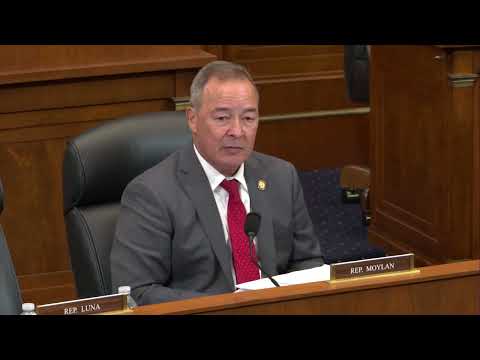
A lawmaker who said they were a former senator from Guam told the House Committee on Foreign Affairs that malign influence by foreign adversaries is growing in U.S. local governments and introduced an amendment directing the secretary of state, attorney general and homeland security secretary to develop a federal strategy to identify and counter such influence.
A lawmaker, who said they were a former senator from Guam, told the House Committee on Foreign Affairs that malign influence in local governments "has the potential to harm our nation from within" and introduced an amendment aimed at limiting that influence.
The lawmaker cited a string of incidents and reporting as evidence the problem is growing. They referenced calls received while serving as a senator in Guam, saying colleagues also received calls from alleged CCP agents urging them to "lay back." The lawmaker also pointed to the guilty plea of Eileen Wang, a former Arcadia, California, mayor, for acting on behalf of the PRC without registering under the Foreign Agents Registration Act, and to a New York Times investigation that reported on PRC involvement in unseating a state senator and expanding influence in city politics.
"My amendment offers a solution to what is clearly a growing problem," the lawmaker said. The amendment, as described in the transcript, directs the Secretary of State, working with the attorney general and the secretary of homeland security, to develop a strategy to eliminate the ability of foreign adversaries to influence, pressure, or threaten non‑federal governments. It would require identifying adversary targets, how adversaries exert malign influence, how federal and private sectors currently identify bad actors, and recommendations for improving those approaches.
The transcript does not record a vote or further procedural action on the amendment. No additional witnesses or responses to the lawmaker’s claims are included in the provided excerpt.