Get Full Government Meeting Transcripts, Videos, & Alerts Forever!
Get email alerts on the Education topic
No spam. Unsubscribe anytime.
Acushnet selectmen propose joint talks with member towns after Old Colony revote defeat
Summary
After town voters rejected a regional Old Colony school revote, the Acushnet Board of Selectmen proposed outreach and joint meetings with member towns, the regional school committee and state representatives to explore repair and funding options rather than immediately pursuing another large borrowing.
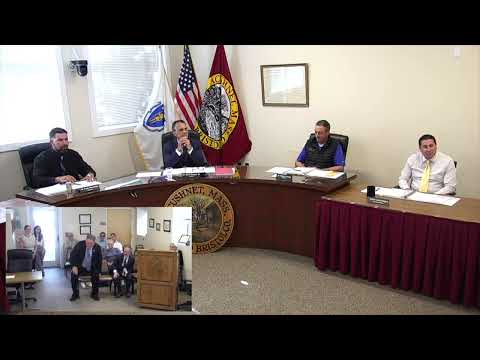
Selectmen on June 24 responded to the recent defeat of an Old Colony regional school revote by proposing a series of joint meetings with the other member towns and regional officials to explore alternatives and to provide greater transparency to taxpayers.
The chair described the outcome of the town vote as final but said the board owes taxpayers and students a constructive follow-up. He urged the board to send an invitation to the other four member towns and the regional school committee and to involve state representatives in conversations about MSBA options, targeted repairs and alternatives that avoid repeating an unsuccessful revote.
Selectmen discussed practical, lower-cost options that had been raised during the campaign, including targeted infrastructure such as running a water main and installing hydrants to ensure basic fire suppression — a step one speaker said could be achieved by pooling member-town resources rather than a large bonded project. Several members advocated for transparent, option-forward meetings where price tags and operational impacts are clearly laid out before any future ballot question.
No formal vote to change the town’s position on school funding was taken. The board asked the town administrator to draft a letter inviting member-town select boards and the regional school committee to a joint forum; selectmen said they would review and edit the draft before sending it. The chair said the goal is to “get out in front” of future proposals and to avoid a cycle of emergency borrowing or last-minute operational overrides.