Get Full Government Meeting Transcripts, Videos, & Alerts Forever!
Get email alerts on the Private Activity Bond Kyocera topic
No spam. Unsubscribe anytime.
Davis County holds public hearing on proposed $10 million private activity bond for Kyocera
Summary
Davis County commissioners heard from economic development staff and one public commenter on a proposed $10 million private activity bond to support Kyocera Incorporated’s manufacturing project; the hearing was closed and formal action was deferred for a later meeting.
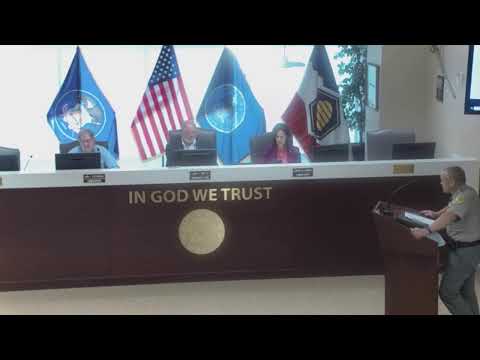
Davis County commissioners on June 23 held a public hearing on a proposed $10 million private activity bond request from Kyocera Incorporated that county staff say would support a new manufacturing facility and create jobs.
Alex Leonardi, filling in for the county’s economic development lead, told commissioners that private activity bonds are conduit financing under federal tax law that do not use county tax dollars and are non‑recourse to the county. Leonardi said the business signs the note and carries the repayment obligation; "The bonds are non‑recourse to the county, repaid solely from the business's revenues," he said.
Leonardi told the commission the project is expected to create "over 50 new jobs paying above the local median individual income," that bond proceeds would fund the building construction and that, under state allocations, the manufacturing category allows for these bonds. He also noted that Davis County last used this tool in 2016 and that that bond has been repaid.
A member of the public, Eric Cockerans (Farmington), asked whether the $10 million cap would go entirely to the named business; staff responded that the $10 million is the single‑entity cap and that other allocations remain available at the state level for other applicants.
The chair moved to close the public hearing, the motion was seconded and commissioners voted in favor. A later procedural clarification recorded in the meeting minutes said the motion was to close the hearing and that formal action on the bond request would occur at a later meeting, not at the June 23 session.
Why it matters: Private activity bonds can reduce financing costs for manufacturers by allowing tax‑exempt interest, but they do not transfer risk to county taxpayers. The project drew limited public comment at the hearing; any future commission action to sponsor or approve the bond would include additional staff findings and a formal vote.
Next steps: The commission closed the hearing and did not take final action on the bond request on June 23; staff indicated any formal approval or sponsorship would be scheduled in a subsequent meeting.