Get Full Government Meeting Transcripts, Videos, & Alerts Forever!
Get email alerts on the Municipal Code Update topic
No spam. Unsubscribe anytime.
Commission adopts edits to special-events and mobile-food ordinances, adds exemptions and a 21-day limit for vendors
Summary
Pine City commissioners approved moving special-events rules into the business chapter with an exemption for alfresco-licensed businesses, and adopted mobile-food licensing with a 21-day-per-year cap per individual vendor.
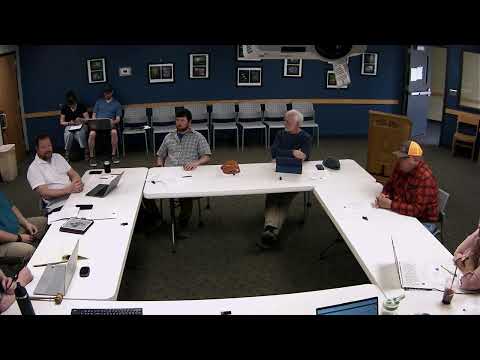
Pine City’s Planning Commission reviewed and approved two ordinance updates on April 22: a rewrite of the special-events permit provisions (ordinance 5.35) and a new mobile-food-unit license (ordinance 5.40).
Special-events ordinance. Staff recommended moving special-events rules from zoning to the business-licenses chapter to provide clearer enforcement authority. Commissioners asked staff to lower the draft insurance requirement (which referenced $1.5 million) to $1 million because many nonprofits use that level, and to add an explicit exemption so businesses that already hold a valid alfresco or other city license would not need a separate special-events permit unless the activity exceeded the alfresco license limits. The commission approved the ordinance with the discussed edit.
Mobile-food-unit ordinance. Commissioners discussed whether to limit how often an individual food truck can operate in town to balance brick-and-mortar restaurants’ interests with opportunities for mobile vendors. One commissioner proposed, and the commission approved, an amendment that an individual mobile-food vendor may operate no more than 21 days in any calendar year; staff noted the fee schedule was changed previously and the 21-day limit had been removed but could be reinstated via the license terms.
Both actions were approved by voice vote. Staff said additional details such as any fee implications will be coordinated with counsel and the fee schedule before final implementation.
Next steps: staff will update ordinance language and the fee schedule, consult with city attorney on any legal questions, and return final documents as required for adoption.