Get Full Government Meeting Transcripts, Videos, & Alerts Forever!
Get email alerts on the Teacher Evaluation topic
No spam. Unsubscribe anytime.
Board approves new teacher-evaluation model emphasizing unannounced walkthroughs
Summary
Trustees adopted a revised teacher-evaluation model required by state legislation that replaces prior tiers with a meet/does-not-meet framework and emphasizes unannounced walkthroughs and targeted feedback; vote 6-0.
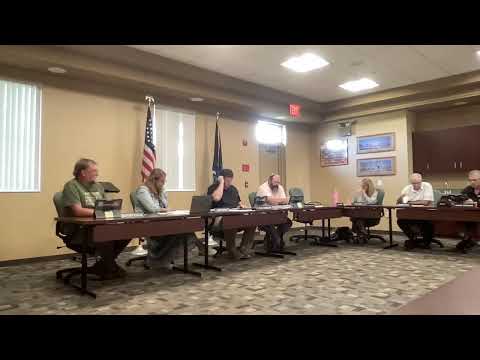
The Culver Community Schools Corp board approved a revamped teacher-evaluation model that administrators said aligns with recent state legislation and focuses on growth through frequent, unannounced classroom walkthroughs.
Carrie, a district staff member, told the board that state law removed prior effectiveness tiers and that the district's new model moves teachers to a meet/does-not-meet framework. She said the plan gives less weight to traditional long-form evaluations for all teachers and more to regular unannounced observations and follow-up meetings: "they get one long if they're under 5 years, if they're over 6 years they get four walk-throughs throughout the school year plus beginning of year meeting, a middle semester meeting, and an end of the year meeting," Carrie said. The plan includes tools for counselors and librarians and requires administrators to be measured on the same standards as teachers.
Why it matters: Administrators said the change aims to make evaluation more focused on instructional practice and growth rather than a punitive "gotcha" approach. The district must submit the plan to the state by July 1 and publish it on the district website.
Board members asked about timelines for first-semester progress meetings and whether teachers can provide additional evidence when a short walk-through does not capture all domains; Carrie said staff can extend observations or schedule a formal observation if needed. The board approved the evaluation model by voice vote, 6-0.