Get Full Government Meeting Transcripts, Videos, & Alerts Forever!
Get email alerts on the Budget Tax topic
No spam. Unsubscribe anytime.
Lebanon Special School District certifies lower tax rate and approves 2026 budget with 3% staff raise
Summary
The Lebanon Special School District board certified a new certified tax rate of 17.92¢ following reappraisal and approved the 2026 budget and salary schedules, including a 3% across‑the‑board raise and absorption of an 8.75% health‑insurance increase by the district.
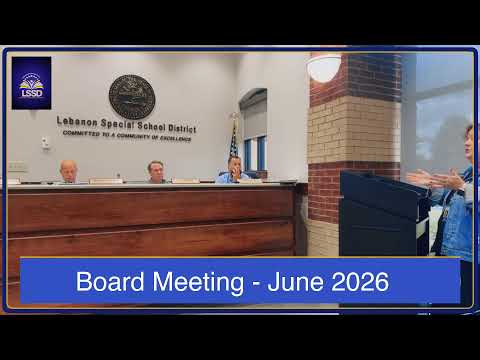
The Lebanon Special School District board certified a new district tax rate of 17.92 cents after reappraisal and voted to approve the district’s 2026 budget and proposed salary schedules during its regular meeting.
Mr. Hutto, presenting the budget, said the district’s estimated revenue streams include Wills County property‑tax collections projected at $12.6 million, a local option sales tax expected to yield $10.6 million, and state TISA funds of about $29.8 million. He told the board the district projects total salaries and benefits at roughly $46.6 million. Mr. Hutto said the district is proposing a 3% across‑the‑board pay increase and that health‑insurance costs rose 8.75%, an increase the district will absorb.
The board discussed how to allocate the certified tax rate between general purpose and debt service. Mr. Hutto noted that the district’s share of the county tax is about 16.8% and that the reappraisal increase in assessed value is the reason the certified rate dropped from about 29.7¢ to 17.92¢. The board moved to certify the rate and then approved the budget and salary schedules by voice vote.
Board members and staff highlighted personnel and student impacts: the district reported about 706 employees on the payroll and emphasized that approximately 85% of the budget supports personnel costs. Mr. Hutto also said the district received approximately $332,000 from an adjusted special penny allocation after reappraisal, up from $189,000 previously.
The board approved the budget amendments required to balance the 2025–2026 accounts and authorized moving certain infrastructure funds into a capital projects fund for future capital spending.
The board’s approval was by voice vote after motions and seconds; no roll‑call tallies were recorded in the meeting minutes provided.