Get Full Government Meeting Transcripts, Videos, & Alerts Forever!
Get email alerts on the Immigration And Community Trust topic
No spam. Unsubscribe anytime.
St. James residents urge council, police to act on ICE-related fears; council to consider study committee
Summary
Residents and One Cares speakers told the St. James City Council on Feb. 17 that ICE activity and confusing enforcement tactics have left immigrant families afraid to go to bus stops and public spaces. The council agreed to place a proposal on its next meeting agenda to form a small committee with police and community members to review requests and legal limits.
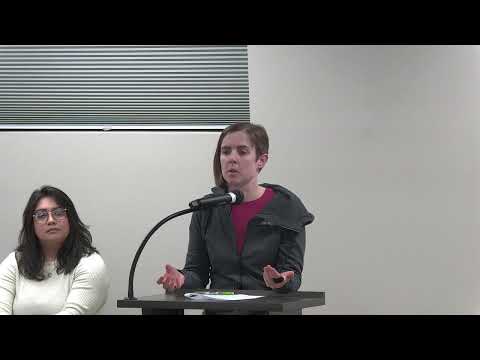
At a Feb. 17 St. James City Council work session, residents and members of the community group One Cares described widespread fear in immigrant communities tied to immigration-enforcement activity and asked the city and police to take visible steps to reassure those residents.
The meeting, convened as a nonvoting work session, featured multiple speakers who said children are skipping outdoor play and running from bus stops because they fear federal agents. "Kindergarteners should not run two blocks from their house all the way to the bus stop and then run back after school and then fearing that their parents are not home," said Katie, a young resident who spoke for the younger generation. Speakers asked the council to help connect residents to legal resources and to encourage police outreach that distinguishes local officers from federal agents.
Why it matters: Attendees framed the issue as a local public-safety and community-trust problem even though immigration enforcement is a federal matter. Speakers said the local fallout includes children withdrawing from activities and residents avoiding routine interactions (paying bills, going to parks or school functions). Those effects, they said, undermine community safety and public-police relationships.
What speakers asked for: Presenters from One Cares and other residents asked for several nonlegislative steps the city might take, including: clear public guidance or short scripts officers can use when residents ask whether an officer is with ICE; school and community outreach events so children recognize local officers; directories of immigration-law resources and referrals to legal aid; and a forum for community members and police to discuss practical safeguards and communication channels.
Arguments and context: One Cares speakers said the group began informally to prepare for situations when neighbors might be detained and emphasized it is not a political action group. Nidia Zlaya, a St. James resident who said she works for the county (not representing it at the meeting), told the council One Cares includes people from Medelia and Butterfield and urged officials to focus on reducing community fear. Lamar Piper gave council members a book and a case study to show how U.S. foreign policy, gang violence and climate losses can drive migration, and he described how slow or underfunded immigration adjudication can leave asylum claimants without meaningful hearings.
Legal constraints and next steps: Participants and some council members noted uncertainties about what the city can lawfully do. One attendee said online research suggested that ordinances barring federal agencies from municipal property may raise constitutional and public- forum issues; participants asked the city attorney to review legal limits before any formal action. Council members and residents agreed to ask the council to place a matter on the next formal council meeting agenda to create a temporary committee composed of a few council members, community representatives and at least one police representative to review One Cares’ nine requests and identify feasible steps.
Formal action: None. The work session cannot adopt binding measures; participants agreed to bring the committee proposal and supporting materials to the council's next formal meeting for possible action.
Voices captured: Council members and residents repeatedly separated federal immigration authority from local responsibilities while asking for visible support, clearer communication and resource referrals. "We are here to build the relationship within our community and build that trust with our officers," Nidia Zlaya said. Key Hernandez (Ward One) characterized many residents as being in "fight or flight" and urged visible support from the city and police. Several speakers requested that the city attorney provide legal guidance in advance of the proposed committee meeting so participants can identify options that do not conflict with federal law.
What comes next: The council agreed to add the committee discussion to the next formal meeting’s agenda so council members can vote on a committee structure and a process for legal review. No formal date or vote was set at the work session.