Get Full Government Meeting Transcripts, Videos, & Alerts Forever!
Get email alerts on the State Policy topic
No spam. Unsubscribe anytime.
City finance director outlines state bills that could cut Orange City revenue
Summary
Finance Director Devlin Moore told the council June 23 that pending state measures — including a property tax reform ballot initiative and changes to card‑room and traffic penalty distributions — could lower city revenues by over $1 million in 2027. The city attorney said lawsuits may affect whether some measures reach the ballot.
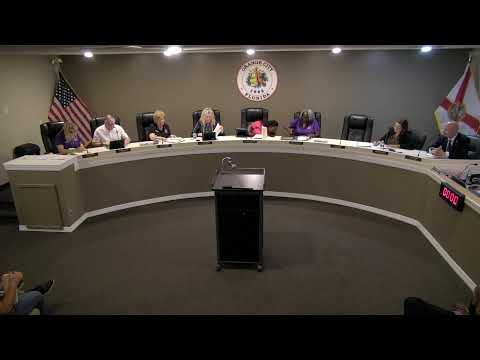
At the June 23 meeting, Orange City Finance Director Devlin Moore briefed the council on several state bills and proposals with potential local budget impacts.
Moore said the property tax reform measure under discussion could reduce city revenue by an estimated $1.3 million in 2027 and about $2 million in 2028 if enacted as currently drafted. He also flagged a change in the state card‑room operating tax that reduced the rate from 8% to 5%; because Orange City receives a share from the pari‑mutuel wagering trust fund, Moore said he anticipates a city revenue loss of approximately $82,000. House Bill 925, changing distribution of certain civil traffic penalties, was estimated to shrink the city's share by roughly $9,000–$11,000 and has been signed into law.
Moore summarized other statutory changes, including a reduction of the non‑homestead cap from 10% to 5% (which affects recovery after value declines) and House Bill 1329, which he described as increasing transparency and requiring a budget-cutting exercise. He warned staff would track future clarifications from the Florida League of Cities and the legislature.
City Attorney Paul Waters added legal context and told the council a lawsuit has already been filed challenging the constitutionality of the homestead ballot language; the complaint, he said, alleges the ballot summary is misleading and is pending in Leon County and could prevent the measure from appearing on the ballot.
Moore closed by noting federal guidance changes (proposed 2 CFR 200 amendments) that may increase grant compliance and cash‑flow risk for awarded federal funds as early as October; staff said they are monitoring the federal proposal for potential operational consequences.
The council did not take action on these items at the meeting but instructed staff to continue monitoring legislative developments and to incorporate impacts into the upcoming budget work sessions.