Get Full Government Meeting Transcripts, Videos, & Alerts Forever!
Get email alerts on the Sick Leave Conversion topic
No spam. Unsubscribe anytime.
Bargaining teams debate sick-leave conversion; district proposes temporary two-day swap to personal leave
Summary
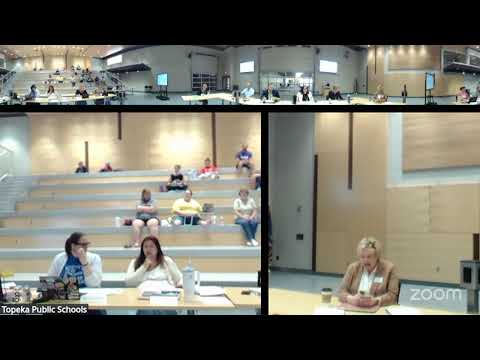
Negotiators for Topeka Public Schools and the employee association sparred over converting sick leave to PTO. The district proposed a temporary sick-leave conversion for qualifying employees that would convert two sick days to personal days for 2027–28, with a sunset and further review; union negotiators raised equity and access concerns and asked for more data.
Negotiators for Topeka Public Schools and the employee association spent the session debating proposals to change sick-leave rules and whether to move to a PTO-style system.
The district presented a temporary sick-leave conversion meant for the 2027–28 school year that would convert two sick days into additional personal days for qualifying employees. Under the proposal, eligible employees would need to return the following school year, have at least two years of service with USD 501 and have accumulated at least 12 days of sick leave; those meeting the criteria would receive two sick days converted to personal days to begin that school year, yielding up to four personal days for 2027–28. The district said the provision would sunset after the 2026–27 school year while monthly meetings and committee review would assess longer-term options.
The association responded that it did not support a wholesale conversion to PTO because sick leave functions as an insurance reserve for major medical events such as maternity leave, surgery or prolonged illness. Association negotiators said many employees rely on accumulated sick leave for those purposes and expressed concern that converting leave could reduce protection for staff who need longer-term time off.
Negotiators disputed the scale and cause of leave use. The association cited a district figure that 345 bargaining-unit members used 80 or more leave hours last school year — roughly 27% of active employees in the payroll system — and asked the district for a breakdown showing which absences were due to FMLA-qualifying events versus routine use. District staff said they would provide exact numbers and noted they had signed fewer than 100 FMLA forms in the past calendar year across certified, classified and administrative staff.
Both sides raised equity concerns. Association negotiators argued a conversion could penalize employees with chronic health conditions or recent major medical leaves; district negotiators said they wanted to avoid unintended budget and coverage consequences and recommended further study through existing committees (morale and health-insurance) and data review before codifying long-term language.
The parties agreed to share more detailed absence and leave-use data and to continue discussions in follow-up caucuses rather than finalize a permanent conversion at the session.
The next procedural step is data exchange and committee review; negotiators did not adopt permanent contract language during this meeting.