Get Full Government Meeting Transcripts, Videos, & Alerts Forever!
Get email alerts on the Probation topic
No spam. Unsubscribe anytime.
Solano County recognizes Probation Services Week; department highlights family engagement and training
Summary
The board adopted a resolution recognizing July 19–25, 2026 as Probation Services Week. Chief Probation Officer Dean Farah and juvenile-division staff described family‑engagement programs, training hours, diversion work and workplace impacts including the recent death of a veteran staff member.
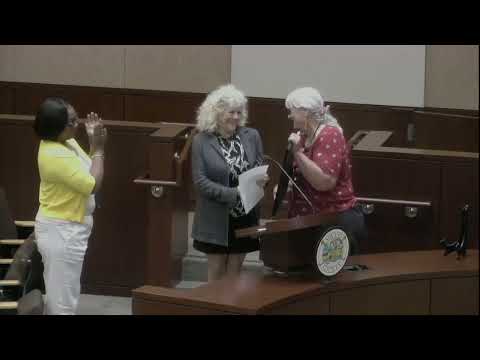
The Solano County Board of Supervisors on June 23 adopted a resolution recognizing July 19–25, 2026 as Probation Services Week and heard presentations from the Probation Department highlighting family‑engagement initiatives and training programs.
Chief Probation Officer Dean Farah told the board the department’s work ‘‘builds bridges’’ between accountability and opportunity, and between youth and community supports. Farah outlined evidence‑based practices, cross‑agency partnerships and a soon‑to‑be‑released strategic plan to guide future work.
Social services worker Zoe Alexander described family visitation and remote contact practices — including weekly scheduled visitation and FaceTime calls — as critical to maintaining family bonds for justice‑involved youth. She said the department also launched the M&M Project Hope, an eight‑week trauma‑informed workshop series for families.
Jessica Adcock and other juvenile‑division staff described diversion programs, juvenile traffic court and community outreach such as Midnight Basketball and the RISE program for youth development. Speakers emphasized training requirements: staff referenced training hours for probation officers and juvenile correctional counselors and described trauma‑informed care and cognitive behavior approaches used with youth.
The department acknowledged a recent in‑service loss of a 20‑year veteran staff member, and speakers requested support for coworkers coping with grief. The presentations concluded with staff inviting continued board support for training, evidence‑based programming and partnerships that connect youth to services.
The resolution was adopted as part of the board's ceremonial agenda; supervisors commended department staff and offered brief remarks. No formal policy changes were approved at the meeting.