Get Full Government Meeting Transcripts, Videos, & Alerts Forever!
Get email alerts on the Budget Finance topic
No spam. Unsubscribe anytime.
Controller: bonds sold at 3.85%; midyear finances show revenues ahead of expenses
Summary
Town controller Carl reported an April bond sale with a 3.85% interest cost, said general fund revenues are tracking ahead of expenses (about 63% vs. 46% of budget on a linear basis), and highlighted elevated overtime costs tied to an unusually heavy winter and reimbursable police overtime.
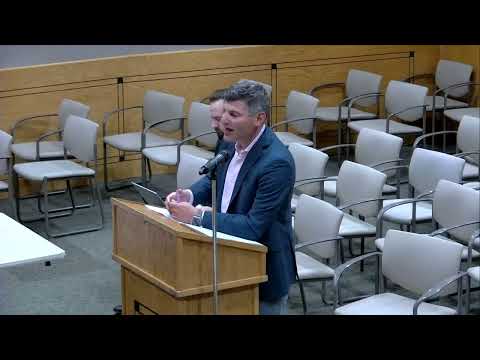
Town Controller Carl delivered a midyear financial update June 23, telling the New Castle Town Board that the town sold bonds on April 7 with a total interest cost of 3.85% and that the debt was structured to align project payoffs with expected useful life. The first bond payment is due in 2027 and the bonds will be callable or refinancable in 2034.
On operating results, the controller said the general fund was roughly where it would be expected midyear on a linear basis: expenses were approximately 46% of budget while revenues were about 63% of budget. "Expenses are only 46% of the budget so far and our revenue about 63%," he said, noting that seasonal collections and tax timing affect those lines.
Carl highlighted three expense pressure points: overtime in parks (driven by heavy snow removal), overtime in highway operations, and police overtime tied to reimbursable protection requests. He said the town had obtained reimbursement for major protection requests such as a deposition at CHPAC, but the reimbursement was slightly less than full coverage after fringe and indirect costs were considered.
On revenues, summer camp programs exceeded budget (reported about 120% of the seasonal target), building permit revenue was at expectation (~50%), and interest earnings were stronger than typical for Q1. The controller said commuter parking permit renewals tend to concentrate in June and September and that the clerk's office had already recorded strong recent collections.
Other funds discussed included: - Highway: seasonally higher salt and snow‑removal costs; a paving program for the summer was planned (18 streets, roughly five miles). - Refuse: compost/mulch sales recovered after a slow start and the fund was tracking near budget. - Water: the plant was replacing long‑old anthracite filters and the town expected to begin seeing some excess charges from New York City on June–July billing.
Carl also noted a procedural delay tied to SEVAC’s LOSAP (length‑of‑service awards) actuarial work required to meet GFOA reporting rules; the actuary completed the necessary report and the town expects audited statements on a revised timetable.
What this means: The town’s midyear position shows revenues ahead of a straight‑line expectation while a handful of seasonal and one‑time costs (notably storm overtime and insurance/retirement timing items) remain to be managed. The controller said staff will prepare for the 2027 budget to include the first bond payment.
Next steps: The controller expects to present audited financial statements to the board at the July 28 meeting and to finish the actuarial/GFOA items ahead of next year’s reporting cycle.