Get Full Government Meeting Transcripts, Videos, & Alerts Forever!
Get email alerts on the Parks And Recreation topic
No spam. Unsubscribe anytime.
Restoration work at Barker’s Alps park underway; city gets multi-year plan from contractor
Summary
Landbridge Ecological owner Tori Christensen updated the Bayport City Council on Barker’s Alps Park restoration: heavy equipment work is wrapping up, invasive-material piles were burned before Christmas, remaining piles will be managed when there is snow, and the project will continue with active management through 2027 with seeding and plantings anticipated in 2026.
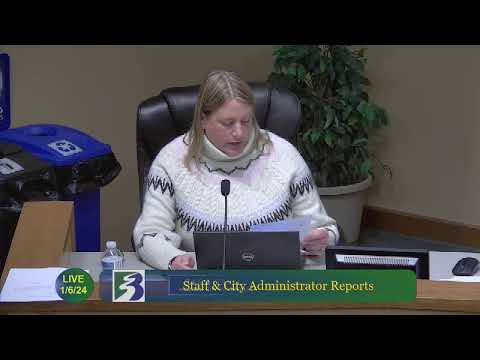
A consultant updating Bayport’s City Council on restoration at Barker’s Alps Park said the heavy machinery phase of the multi-year project is winding down and that the site will move into multi-year management and seeding phases.
"It is an ongoing project that'll be going into 2027 … the majority of the work that we've been carrying out—the big heavy machinery—is leaving the site now," said Tori Christensen, owner of Landbridge Ecological and a Bayport resident, who presented the update. She said crews burned most invasive-species piles before Christmas and are holding smaller piles until snow to aid safe extinguishing.
Christensen explained the ecological goals: removing invasive species, restoring oak savannah on the upper knobs to enable controlled burns over time, and establishing a more diverse herbaceous understory with prairie components to make long-term fire management feasible. She said planting and seeding will likely begin in 2026 once resprouts and site conditions are managed.
Residents asked about visible stumps and the project's appearance during the initial clearing phase. Christensen acknowledged the "stark" look after removal but noted planned follow-up work: spot herbicide application, targeted resprout management, and subsequent seeding and planting phases. She and others also stressed the project's safety and recreational benefits, noting improved sightlines to the river and better connectivity of natural areas.
The council thanked Christensen and indicated interest in future before-and-after visual updates and additional community outreach as the restoration proceeds.