Get Full Government Meeting Transcripts, Videos, & Alerts Forever!
Get email alerts on the Transportation topic
No spam. Unsubscribe anytime.
Resident warns Parrish bridge won’t create a 'quiet zone' and will harm Hessville neighborhoods
Summary
A resident objected to a proposed bridge near Parrish in Hessville, saying it would increase train horn exposure, traffic and neighborhood disruption rather than create a quiet zone; he urged gates and quiet-zone measures instead of land takings.
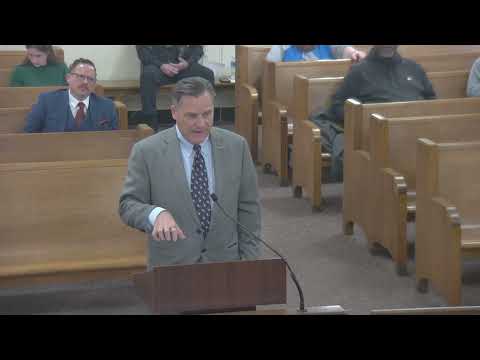
Ken Rosick (speaker 13), speaking during public expression at the Feb. 23 council meeting, urged the council to stop what he called "land grabs" for a Parrish/Hessville bridge and said the project would not create a quiet zone for nearby residents.
Rosick said a train approaching the area must sound multiple horn blasts well before crossings and that, with six crossings in Hessville, horn noise would be pervasive across neighborhoods rather than localized. "Cut down all the trees, and it becomes louder for the entire town," he said, adding that bulldozing backyards and replacing them with a major thoroughfare would ruin property and invite nonstop traffic and racing vehicles.
He criticized city workers and officials for backing the project without showing concern for residents on the other side of Parrish. Rosick called the bridge proposal "snake oil" and urged the council to consider installing proper gates on crossings and establishing a quiet zone through proven engineering measures instead of building the bridge.
Response and context: The meeting transcript records Rosick’s statements in full; there was no extended response recorded from the mayor or staff on technical design alternatives during the public-comment period. The council adjourned after a youth delegation and routine closing business.
What’s next: Rosick’s concerns were entered into the public record; technical questions about whether gates or an alternative design could achieve a quiet zone would require follow-up from the engineering or public-works departments.