Get Full Government Meeting Transcripts, Videos, & Alerts Forever!
Get email alerts on the Election System Costs topic
No spam. Unsubscribe anytime.
County clerk urges budgeting for $8–$12M statewide voting-system replacement
Summary
At a Marion County budget work session, the county clerk warned the statewide voting system contract expires in 2028 and that the state is indicating counties may have to fund a replacement, potentially costing $8–$12 million divided among counties; she urged starting to budget for both the initial replacement and higher annual workstation fees.
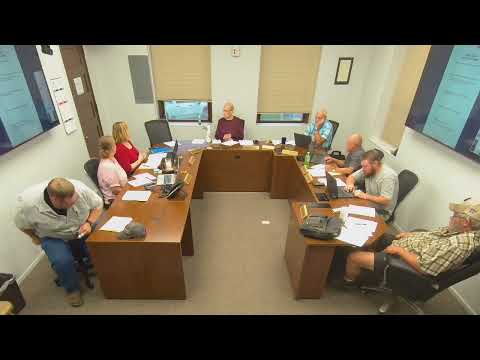
The county clerk told commissioners during a June 26 budget work session that the statewide election system contract will expire in 2028 and that county officials have been told the state likely will not fund a replacement.
“That system is needed,” the clerk said, noting the last state purchase covered most costs. The clerk gave a rough estimate that a new system could cost between $8 million and $12 million to be split among counties and described an increase in recurring workstation fees statewide from about $650,000 to roughly $1 million annually.
Commissioners asked whether county shares would be prorated by population; the clerk said that detail had not been provided. She recommended budgeting now for one-time capital costs (new precinct tabulators and initial system share) and for the higher annual operating costs suggested by the state.
The clerk also outlined nearer-term capital needs: precinct tabulators planned for 2027 (previous quotes in the file were about $150,000 plus maintenance) and a multiyear approach to funding to avoid large single-year spikes. She said staff certifications and additional workstation support would increase personnel and contractual pressures.
Why it matters: If counties are required to fund a new statewide election system, local budgets could face large, multi-year capital and operating obligations. Commissioners discussed options for smoothing the cost across years and funds; no formal vote or decision was taken at the session.
What’s next: The clerk said she would consult with county finance staff about whether to begin budgeting for these costs in 2027 or later and expected to present a more detailed number for commissioners to consider at the next scheduled budget meeting.