Get Full Government Meeting Transcripts, Videos, & Alerts Forever!
Get email alerts on the Housing Rehab topic
No spam. Unsubscribe anytime.
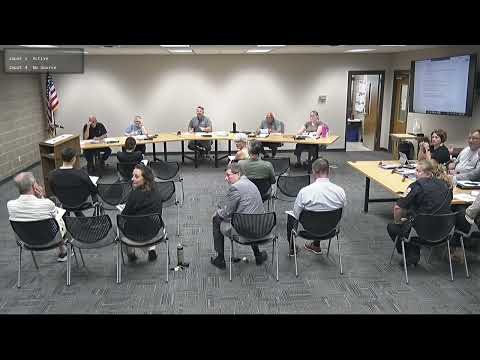
Foley approves $200,000 Minnesota Housing rehab loan program to help owner‑occupied homes
Summary
The Foley City Council authorized a residential rehabilitation loan program, funded by a $200,000 Minnesota Housing Tier 2 grant and to be administered by the Center for Energy and Environment, offering owner‑occupied homeowners up to $25,000 at 3% interest to repair aging homes.
The Foley City Council voted to authorize documents and direct staff to finalize an agreement with the Center for Energy and Environment (CE) to administer a residential rehabilitation loan program funded by a $200,000 Minnesota Housing Tier 2 grant.
Amanda Oout of the Benton Economic Partnership told the council the grant is intended to preserve the city’s older housing stock: "the city of Foley on behalf of Foley applied for and was awarded a $200,000 Greater Minnesota small cities Tier 2 grant" to support owner‑occupied home rehabilitation. The program will prioritize households at or below 80% of Area Median Income and cover eligible repairs such as roofing, windows, plumbing, HVAC and accessibility improvements.
Under the proposed terms, loans would carry a 3% interest rate with a maximum principal of $25,000 amortized over up to 10 years; funds will be paid on a reimbursement basis after inspection. CE would receive a one‑time $1,500 setup fee, $6,000 annually to administer the program and $775 per closed loan, Oout said. Homeowners may use sweat equity for eligible material costs but not for reimbursable labor.
The council moved and seconded the recommendation to approve the program documents and authorize staff to finalize the administration agreement with CE; the motion carried.
The nut of the decision is that Foley will use the grant to help low‑ and moderate‑income homeowners pay for necessary repairs without a city match, and CE will handle intake, underwriting and reporting to the city. Council members asked that CE provide monthly reports to the city once applications open. The city anticipates executing the agreement in 2026 and deploying the grant funds through 2029 or early 2030.
Next steps: staff will finalize contract language with CE, publish application information, and CE will begin intake once the agreement is executed.