Get Full Government Meeting Transcripts, Videos, & Alerts Forever!
Get email alerts on the Zoning And Development topic
No spam. Unsubscribe anytime.
Council directs staff to pursue zoning changes after downtown manufacturer's tank request
Summary
Foley council agreed to direct staff and legal to draft ordinance revisions (PUD/CUP/IUP options) and to accept an application process after a downtown manufacturer sought to install a refrigerated nitrogen tank; staff estimated a six- to eight-week process and required application materials and public notice.
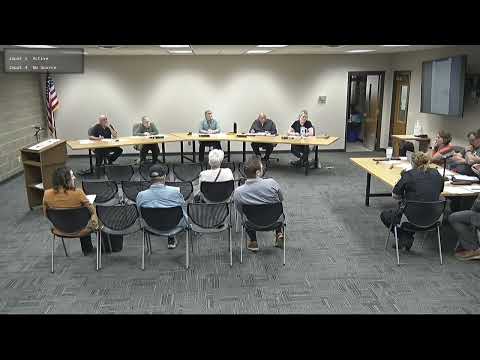
The Foley City Council on April 21 agreed to direct staff and the city attorney to draft zoning and ordinance revisions after hearing a request from a long-standing downtown manufacturer to install a refrigerated nitrogen tank to support production.
Legal counsel Adam advised the council that the city's legal-nonconformity rules can protect long-standing businesses but generally prohibit expansions unless a formal process is followed. "If you're going to do this there is a right way to do it," Adam said, urging a planning and public‑hearing track that creates findings to reduce legal exposure.
Council members expressed sympathy for keeping the employer downtown but raised concerns about precedent and downtown aesthetics. One council member said a large tank may not fit the revitalization goals for downtown; another said the changes should avoid creating an opening for multiple similar requests.
Staff and a safety representative (Mark) described the product and emergency implications. Mark said the material is handled as a refrigerated process and is not flammable: "It's not explosive," he said, summarizing his review with a counterpart in a neighboring city.
Economic-development staff urged the council to consider whether the business might relocate to the industrial park in the longer term and noted local partners could assist with financing or relocation. "They're a very much valued business in our community and we want to see them grow and expand," Amanda said.
Council direction and next steps: the council asked staff and legal to draft ordinance language clarifying options (including plan unit development, conditional-use permits and interim-use permits with possible time limits), to outline an application process and to use the city attorney's time as needed. Staff said the full application and public-notice timeline would likely take roughly six to eight weeks; public‑hearing notice requires two consecutive weeks of mailing to nearby properties.
Staff also said the applicant will need to provide traffic and operational details (truck timing, employee counts, shipping schedules) as part of any application; council members asked the applicant to commit in writing to off‑hour tank fills to reduce peak traffic if that is proposed.
The council did not approve any permit or exception at the meeting; instead it set the procedural path for an application, ordinance revisions and public hearings. Staff will contact the business with application requirements and move forward with drafting code language if an application is submitted.