Get Full Government Meeting Transcripts, Videos, & Alerts Forever!
Get email alerts on the Charter Amendment topic
No spam. Unsubscribe anytime.
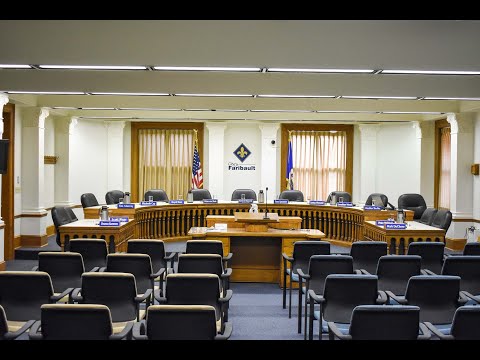
Faribault council approves charter amendment to require one reading for most ordinances
Summary
The Faribault City Council approved Ordinance 2026-04, amending the city charter to remove the routine requirement for two readings of ordinances; business owners said the change will speed openings and reduce delays for projects.
The Faribault City Council voted to approve Ordinance 2026-04, a charter amendment that eliminates the default requirement for two readings of most ordinances and allows a single reading to make an ordinance effective. City Administrator Jessica Kinser presented data showing more than 60 ordinances were adopted in 2023–2025 and argued that the two-reading requirement often delays projects, transient permits and business openings by multiple weeks.
During the public hearing, Nate Cunningham, owner of Muddy Fine Coffee, told the council that the current two-reading process can create about a 30-day delay before a new business opening can proceed and estimated that delay could cost his business roughly $40,000 in monthly revenue (he emphasized that figure referred to revenue, not profit). Cunningham said nearby cities had already removed the two-reading requirement and urged Faribault to follow suit.
Councilmembers discussed the role of other review bodies (Historic Preservation Commission, planning commission) and publication timeframes that can extend project timelines, but concluded the charter amendment would reduce avoidable administrative delay. Mayor Spooner moved, Teal seconded, and the council approved Ordinance 2026-04 by voice vote; the council noted charter-amendment rules and the need for the appropriate adoption process to take effect.
The ordinance is intended to streamline development and city business by reducing the minimum lag created by a second reading, while statutory exceptions (for certain zoning or annexation matters) remain subject to state statute and other required notice periods.