Get Full Government Meeting Transcripts, Videos, & Alerts Forever!
Get email alerts on the Education District Goals topic
No spam. Unsubscribe anytime.
Fillmore Unified details enrollment stability, special‑education expansion and Measure G facilities work
Summary
District leaders told the joint meeting the district serves about 3,600 students, noted stable enrollment and 80% free/reduced‑price lunch rates, highlighted new autism classes and preschool expansion, and updated the council on Measure G projects including a new Fillmore High athletic complex due February 2027.
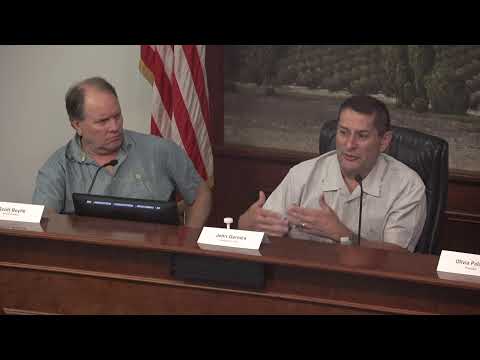
Superintendent Shefferly and Assistant Superintendent Dr. Isaac Wong presented Fillmore Unified’s strategic goals and district highlights during the June 23 joint meeting with the City of Fillmore.
Shefferly said the district educates roughly 3,600 students and is one of the few in Ventura County with stable enrollment. "About 80% of our students qualify for free or reduced lunch," he said, and the district provides free breakfast and lunch for all students. The district also reported about 16% of students are served by special education and described inclusive co‑teaching and new autism classes at Mountain Vista.
Academic highlights: Dr. Wong cited recent recognitions, including Fillmore High’s California Distinguished School honor (2024) and AP Honor Roll awards in 2025, and said the district is increasing AP and college‑course participation.
Facilities and staffing: Shefferly reviewed Measure G projects, including a 43,000‑square‑foot Fillmore High athletic complex under construction and slated for completion in February 2027, new HVAC and shade structures across campuses, preschool expansions and library and career‑center renovations. He noted the district employs about 565 people and reported competitive pay increases over five years.
Why it matters: School leaders framed the presentation as talking points for city officials and community advocates, emphasizing the district’s role in workforce development, community partnerships and pathways such as agriculture, automotive services, IT and robotics.
Next steps: District staff invited city members to tour projects when completed and asked for continued community partnerships to expand internships, guest speakers and early‑college opportunities.