Get Full Government Meeting Transcripts, Videos, & Alerts Forever!
Get email alerts on the Environment River Restoration topic
No spam. Unsubscribe anytime.
Santa Clara River Conservancy seeks city support for $950,000 wildfire‑resilience grant for Cienega Springs
Summary
The Santa Clara River Conservancy described restoration work at the 234‑acre Cienega Springs Ecological Reserve, outlined a $12 million restoration to date and requested letters of support for a Prop 4 wildfire resilience grant application of about $950,000 to remove invasive Arundo and fund maintenance and education programs.
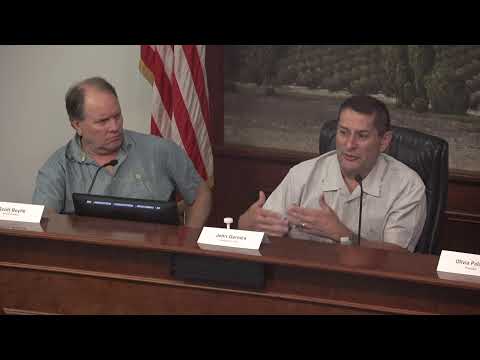
Ron Merckord, president of the Santa Clara River Conservancy, briefed the Fillmore City Council and Fillmore Unified School District trustees on June 23 about long‑running restoration at the Cienega Springs Ecological Reserve and a near‑term grant request.
Merckord said the 234‑acre reserve behind the Fillmore Fish Hatchery has been restored over four years from former watercress farms into native habitat, using state planning grants and other awards. "It's been about a $12 million project," he said, and the site now includes regraded channels, restored water flow and more than 60,000 native plants, Merckord said.
Why it matters: the Conservancy emphasized two community benefits — wildfire resilience and education. Merckord and board member Heather Merenda said removing dense stands of the invasive Arundo donax reduces wildfire fuel and helps restore native species and groundwater health, while newly built ADA‑accessible trails provide rare public access to the Santa Clara River.
Merenda told the joint meeting the Conservancy will submit a Prop 4 wildfire resilience grant application due July 7 and asked the city and the school district for letters of support. In response to a council question, Merenda said she planned to request approximately $950,000 for Arundo removal and related work.
Access and constraints: Merckord cautioned that the property is owned by the California Department of Fish and Wildlife and, because restroom facilities have not yet been installed (a problem tied to a high water table), the agency has not authorized full public opening. The Conservancy said guided tours and school group visits are already taking place and that they work with UCSB biologists and trained staff to lead education programs.
Council and board response: councilmembers and trustees thanked the Conservancy for the work and asked procedural questions about grant timing, acreage to be treated and public‑access timelines. Merckord said restroom installations and agency approval could allow full public access within six months to a year, but urged prompt support for the grant to fund large‑scale Arundo control.
Next steps: the Conservancy seeks formal letters of support; the grant deadline and the scale of the proposed work mean the city and district's prompt response would strengthen the application, Merenda said.